
Why Pre-Approval Is More Important Than Ever This Spring

Spring is here, and so is the busiest season in real estate. More buyers are out looking for homes, which means more competition for you. If you want to put yourself in the best position to buy, there’s one step you can’t afford to skip, and that’s getting a pre-approval letter for a mortgage.
Some buyers think they can wait until they’ve found a home they love before talking to a lender. But in a season where homes can sell fast, that’s a risky move. Getting pre-approved before you start your search is a much better bet.
Here’s what you need to know about this early step in the buying process.
What Is a Pre-Approval Letter?
Pre-approval gives you a sense of how much a lender is willing to let you borrow for your home loan. To determine that number, a lender starts by looking at your financial history. Here are some of the things that can have an impact, according to Yahoo Finance:
- Your debt-to-income (DTI) ratio: This is how much money you owe divided by how much money you make. Usually, you can borrow more if you have a lower DTI.
- Your income and employment status: They’re looking to verify you have a steady income coming in – that way they feel confident in your ability to repay the loan.
- Your credit score: If your score is higher, you may qualify to borrow more.
- Your payment history: Do you consistently pay your bills on time? Lenders want to know you’re not a risky borrower.
After their review, you’ll get a pre-approval letter showing what you can borrow. Having this peace of mind is a big deal – it helps you feel a lot more confident in your ability to get a home loan. And the fringe benefit is it can also speed up the road to closing day because the lender will already have a lot of your information.
It Helps You Figure Out Your Budget
Spring is a competitive season, and emotions can run high if you find yourself up against other buyers. Having a firm budget in mind is so important. You don’t want to get too attached and end up maxing out what you can borrow. As Freddie Mac explains:
“Keep in mind that the loan amount in the pre-approval letter is the lender’s maximum offer. Ultimately, you should only borrow an amount you are comfortable repaying.”
So, use this time to really buckle down on your numbers. And be sure to factor in other homeownership costs – like property taxes, insurance, and maybe even homeowner’s association fees – so you know what you can comfortably afford.
Then, partner with your agent to tailor your search to homes that match your budget. That way, you don’t fall in love with a condo or house that’s out of your financial comfort zone.
It Helps Your Offer Stand Out During the Busy Season
Spring buyers aren’t just competing for homes. They’re competing for the seller’s attention, too. And a pre-approval letter can help you stand out by showing sellers you’ve already gone through a financial check. Zillow explains it like this:
“Having a pre-approval letter handy while you’re shopping for a home can also help you act quickly once you’ve found a home you love. The letter shows potential sellers that you’re a serious buyer who has the financial means to close on the home. In a competitive market, an offer with a pre-approval letter attached will stand out among other offers that don’t include one — increasing the chances of your offer being accepted.”
That means when sellers are choosing among multiple offers, yours could rise to the top simply because you’ve already taken this step.
And here’s one final tip for you. After you receive your letter, avoid switching jobs, applying for new credit cards or other loans, co-signing for loans, or moving money in or out of your savings. That’s because any changes to your finances can affect your pre-approval status.
Bottom Line
If you’re thinking about buying a home this spring, getting pre-approved should be your first move. It’ll help you understand your budget, show sellers you’re serious, and keep you from falling in love with a house that’s out of reach. Talk to a lender to get started, we have a list of trusted people we’ve worked with that we’d be happy to share. To get started on your condo or home buying journey, contact us today at The Bouma Group, Realtors at 734-761-3060 or info@condohotline.com. Search for Ann Arbor area condos here!
Buying Your First Home? It’s Okay to Feel Nervous

Buying your first home or condo is exciting, but let’s be real – it can also feel overwhelming. It’s a big step, and with that comes plenty of questions. Am I making the right decision? Can I really afford this right now? Will I be able to make ends meet if I have unexpected repairs? What if I lose my job?
Here’s the thing: every first-time homebuyer has these thoughts.
The homebuying process has always been a mix of excitement and nerves, and that’s completely normal. Here’s some information that can give you a bit of perspective, so you don’t have these concerns.
Focus on What You Can Control
Since homeownership is new to you, you’re probably feeling like it’s hard to know what to budget for. And that can be a bit scary. You’ll have the mortgage, home insurance, and maintenance to think about – maybe even lawn care or homeowner’s association (HOA) fees. It’s easy to let the dollar signs be overwhelming. As Zillow says:
“Buying a house is a big decision, and you might feel confused and indecisive as you assess your current financial situation and try to work through whether or not the timing is right. Making big life choices might come with some self-doubt, but crunching the numbers and thinking about what you want your life to look like will help guide you down the right path.”
The important thing is to focus on what you can control. By partnering with a local agent and a trusted lender, you can get a clear understanding of what you can borrow for your home loan, what your monthly payment would be, and how your mortgage rate can impact it. And since that payment will likely be your biggest recurring expense, the key is to make sure the number works for you.
Don’t Stress About Repairs
The maintenance and repairs? Those can be a little bit harder to anticipate. But don’t forget you’ll get an inspection during the homebuying process to give you a better look at the condition of your future house. And with your inspection report in hand, you’ll have a good idea of what needs work. This way, you can start saving up so that you’re ready if and when something breaks.
But even then, if this is something that’s still really nagging at you, talk to your agent about asking the seller to throw in a home warranty. Those can cover repairs for some of the bigger systems in the house, like the HVAC, if they break within a specific time frame. While this isn’t a huge expense for the seller, the likelihood of a seller agreeing to one depends on what’s happening in your local market and how competitive it is right now.
It’s Okay To Stretch – Just Not Too Far
And remember, chances are that money will be a little tight – at least at first. And that’s kind of to be expected. A lot of times when someone buys their first home, they cut down on things like shopping and eating out for a while until they get a better idea of how their expenses will shake out in the new home.
But if you’re crunching the numbers and you won’t have enough money left for things like gas, food, etc. – it’s a sign you’d be stretching yourself too far. The last thing you want is to take on a payment that’s too much to handle. But stretching a little? That’s different. That’s normal.
Your Job Will Probably Change – And That’s Okay
And don’t forget, you’ll likely earn more down the road, so that slight stretch now won’t seem so bad as time wears on. As you advance in your career, you’ll probably start to make more money too. So, as your paycheck grows, the payments will get easier. Renting is a short-term option – and it’s one you deserve to get out of. Buying a home is a long-term play.
And just in case you’re worried about what happens if you do lose your job, you should know there are options, like forbearance, designed to help you temporarily pause payments on your home loan due to hardship.
Bottom Line
Buying your first home or condo is a big decision, and it’s okay to feel a little nervous about it. But if you’re financially ready, don’t let fear keep you from moving forward. These emotions are normal, and great agents help their buyers get through them.
What makes you nervous when you think about buying your first home?
Let’s connect so you have an expert on your side to explain everything along the way. From finding the perfect community for your needs to guiding you through the process, we’re here to help! Contact us today at The Bouma Group, Realtors at 734-761-3060 or info@condohotline.com.
First-Time Buyers: Smart Moves to Break Into the Market
Smart Moves for First-Time Buyers

If you’re like a lot of aspiring homebuyers, there’s a major hurdle standing in your way — the cost of living. From groceries to gas, eggs, and just about everything else, prices have gone up. And that rings true for home prices, too.
But even when everything feels expensive, there are still ways to make homeownership more than an item on your wish list. You may just need to think about where you plan to buy a bit differently.
Think of Your First Home as a Stepping Stone
One of the biggest misconceptions among first-time buyers is that their first home has to be their forever home – or that it has to check all the boxes of what they want right out of the gate. In reality, it’s just a starting point.
Once you own a condo or home, you start to build equity, which grows over time as prices rise. Down the road, if you want to move — whether to a larger space, a better location, or both — the equity you’ve gained can help you do just that.
So rather than waiting until you can afford your dream home in your ideal area or neighborhood, consider starting with something that works for now.
Expand Your Search To Find More Affordable Options
If high prices in your favorite area are holding you back, it’s time to cast a wider net. By keeping an open mind and being flexible with location, you may be surprised at what’s possible within your budget. Many buyers find success by looking in surrounding areas – and some even choose to move out of state.
According to 2024 year-end data from MichRIC, these are the median prices for condos sold in these Washtenaw County areas (see chart below):

If you want to stay local, looking just outside your preferred area could help you find something you can afford that’s still pretty close to your favorite restaurants, shops, and activities. Sometimes, moving as little as 10 minutes away makes a big difference.
And the best way to see what’s available is to work with a real estate agent who understands the local market and can help you identify hidden gems nearby. An agent can point you to communities you may not have considered that have lower price tags now and are steadily gaining value and appeal. That way you can buy your first place and be set up to gain equity through the years.
Bottom Line
Today’s cost of living is a challenge for many buyers. But by exploring different areas and working with a knowledgeable agent, you can take that first step toward owning a home — and building equity for your future.
How far outside of your area would you look to make homeownership happen? Let’s connect to chat through your options. Contact us today at The Bouma Group at 734-761-3060 or info@condohotline.com.
Time in the Market Beats Timing the Market
Timing the Market – Is it Possible?
Does it make more sense to buy a home now or wait? There’s a lot to consider, from what’s happening in the market to your changing needs. But generally speaking, timing the market isn’t a good strategy – there are too many factors at play for that to even be possible.
That’s why experts usually say time in the market is better than timing the market.
In other words, if you want to buy a home and you’re able to make the numbers work, doing it sooner rather than later is usually worth it. Bankrate explains why:
“No matter which way the real estate market is leaning, though, buying now means you can start building equity immediately.”
Benefits of Buying Now vs. Later
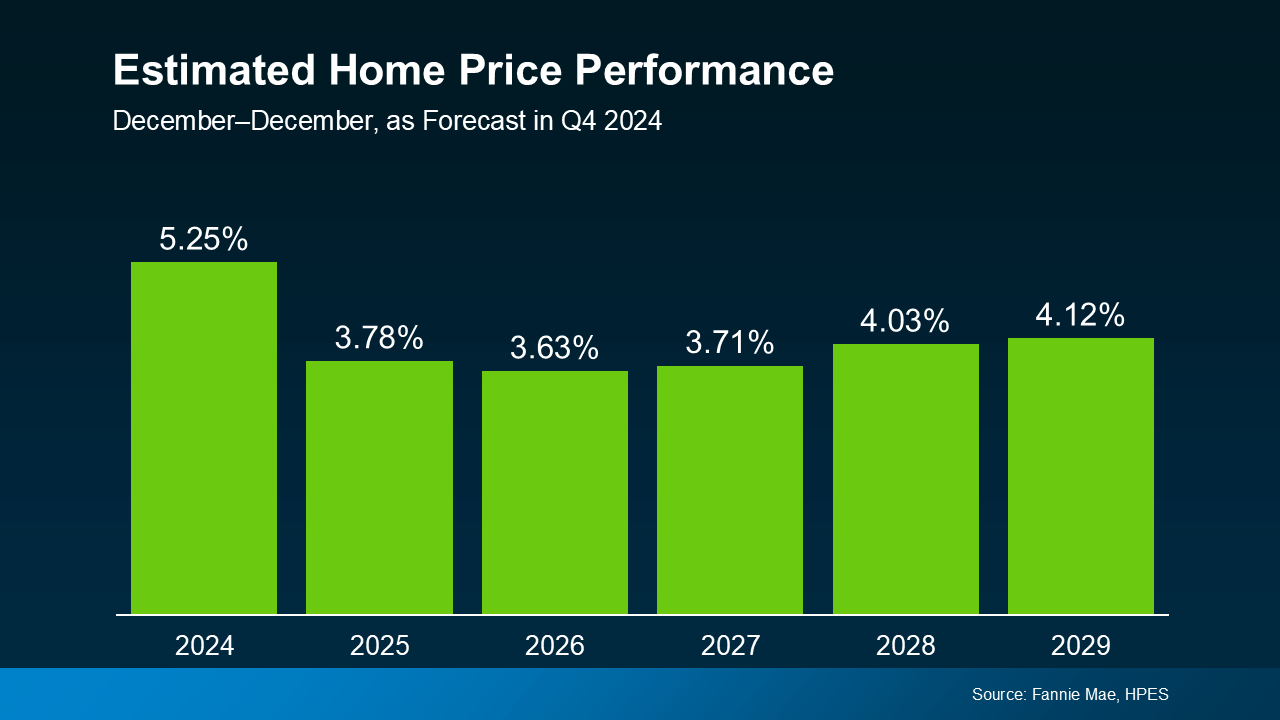
Here’s some data to break this down so you can really see the benefit of buying now versus later. Each quarter, Fannie Mae releases the Home Price Expectations Survey. It asks over one hundred economists, real estate experts, and investment and market strategists what they forecast for home prices over the next five years. In the latest release, experts are projecting home prices will continue to rise through at least 2029 – just at a slower, more normal pace than they did over the past few years (see the graph below):
But what does that really mean for you? To give these numbers context, the graph below uses a typical home value to show how it could appreciate over the next few years using those HPES projections. This is what you could start to earn in equity if you buy a home in early 2025.
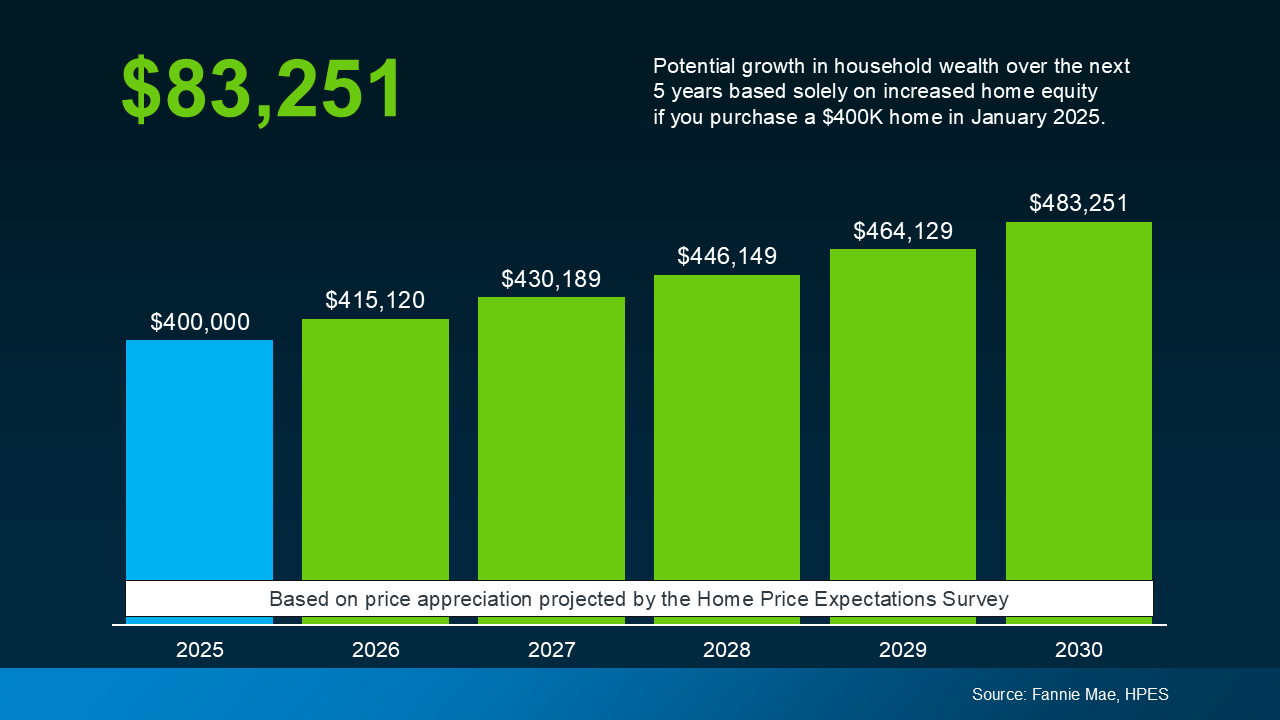
In this example, let’s say you go ahead and buy a $400,000 home this January. Based on the expert forecasts from the HPES, you could gain more than $83,000 in household wealth over the next five years. That’s not a small number. If you keep on renting, you’re losing out on this equity gain.
And while today’s market has its fair share of challenges, this is why buying is going to be worth it in the long run. If you want to buy a home, don’t give up. There are creative ways we can make your purchase possible. From looking at more affordable areas, to considering condos or townhomes, or even checking out down payment assistance programs, there are options to help you make it happen.
So sure, you could wait. But if you’re just waiting it out to perfectly time the market, this is what you’re missing out on. And that decision is up to you.
Bottom Line
If you’re torn between buying now or waiting, don’t forget that it’s time in the market, not timing the market that truly matters. Let’s connect if you want to talk about what you need to do to get the process started today. Contact us today at The Bouma Group, Realtors and let’s discuss what timing makes sense for your next move! 734-761-3060 or info@bouma.com.
Don’t Miss Out on the Growing Number of Down Payment Assistance Programs

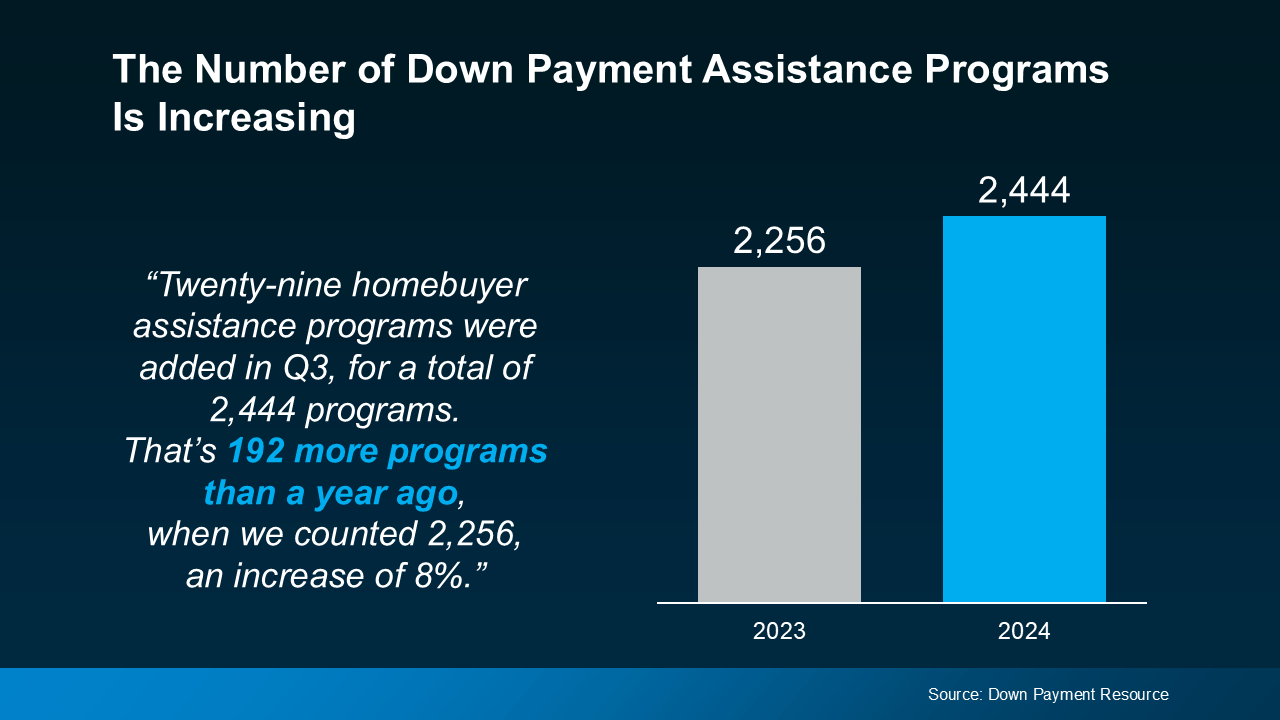
With rising home prices and volatile mortgage rates, it’s important you know about every resource that could help make buying a condo or home possible. One thing you’ll want to be aware of is how much the number of down payment assistance (DPA) programs has grown lately.
Take a look at the graph below to see how many new programs have been added in the last year, according to data from Down Payment Resource:
More Programs, More Opportunities for You
So, what does this increase mean for you? With more programs available, there’s a higher likelihood that one of them could help you reach your homeownership goals.
And these programs aren’t small-scale help either – the benefits can go a long way toward covering a chunk of your costs. As Rob Chrane, Founder and CEO of Down Payment Resource, shares:
“We are pleased to see a growing number of these programs, and think they are becoming a targeted way to help first-time and first-generation homebuyers struggling to save for a down payment get into a home they can afford. Our data shows the average DPA benefit is roughly $17,000. That can be a nice jump-start for saving for a down payment and other costs of homeownership.”
Imagine being able to qualify for $17,000 toward your down payment. That’s a big boost, especially if you’re looking to buy your first place. With that level of help, buying a condo or home may be more within reach than you think.
But it’s worth calling out that the growth in DPA options isn’t just focused on first-time and first-generation buyers. Many of the new programs are also aimed at supporting affordable housing initiatives, which include manufactured and multi-family homes. This means that more people, and a wider variety of home types, can qualify for down payment assistance. This will make it easier for you to find an option that fits your needs.
Talk to a Real Estate Expert About What’s Available for You
With so many DPA programs out there, you need to make sure you’re finding the right one for you. That’s why it’s key to lean on your real estate and lending professionals for guidance. The Mortgage Reports says:
“The best way to find down payment assistance programs for which you qualify is to speak with your loan officer or broker. They should know about local grants and loan programs that can help you out.”
A great loan officer will know what’s available in your area and can point you toward programs that align with your goals. We work with some fantastic lenders and can help match you with the perfect one.
Bottom Line
With more down payment assistance programs than ever before, now’s a great time to explore how these options can help on your homebuying journey. Let’s work together to make sure you’ve got a team of expert advisors in place. Contact us today at The Bouma Group, Realtors at 734-761-3060 or info@bouma.com.
Start your search now!
This Is the Sweet Spot Homebuyers Have Been Waiting For
Today’s Market is a Sweet Spot for Condo and Homebuyers

After months of sitting on the sidelines, many condo and homebuyers who were priced out by high mortgage rates and affordability challenges finally have an opportunity to make their move. With rates trending down, today’s market is a sweet spot for buyers—and it may not last long.
So, if you’ve put your move on the back burner, here’s why maybe you shouldn’t delay your plans any longer.
As you weigh your options and decide if you should buy now or wait, ask yourself this: What do you think everyone else is going to do?
The truth is, if mortgage rates continue to ease, as experts project, more buyers will jump back into the market. A survey from Bankrate shows over half of homeowners would be motivated to buy this year if rates drop below 6% (see graph below):
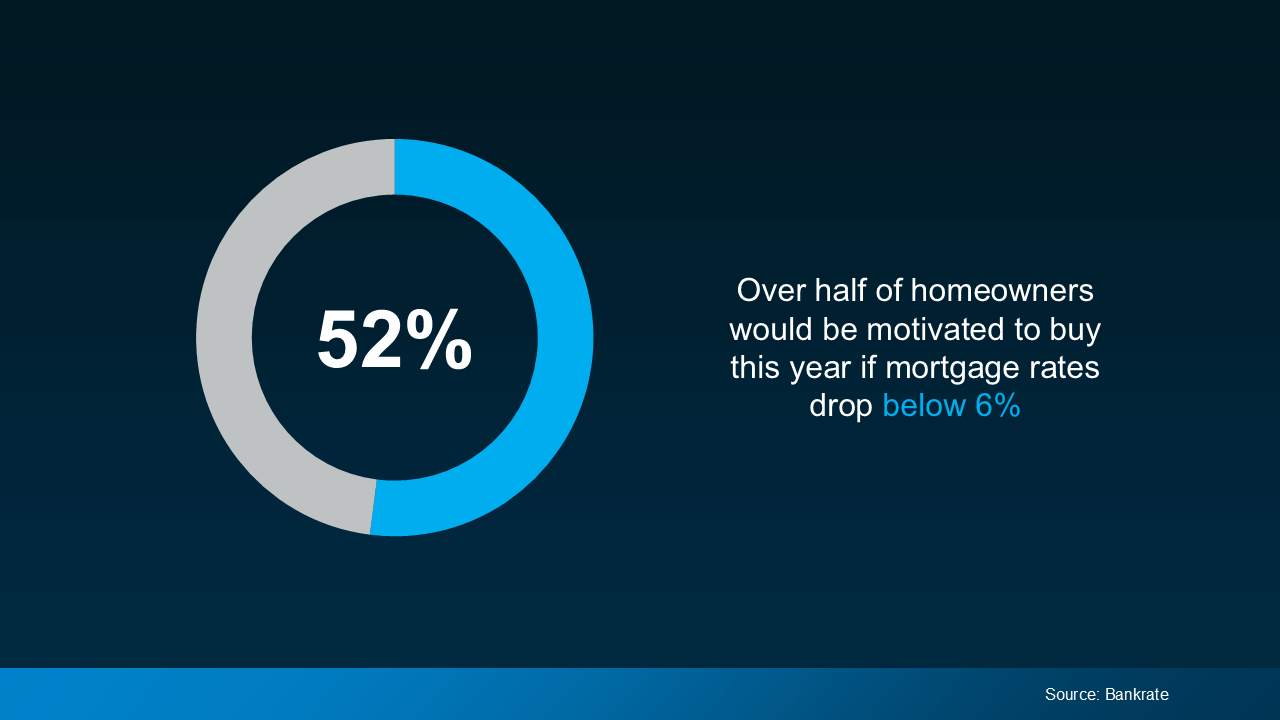
With rates already in the low 6% range, we’re not terribly far off from hitting that threshold. The bottom line is, that when they drop into the 5s, the number of buyers in the market is going to go up – and that means more competition for you.
That increased demand will likely push home prices up, which could potentially take away from some of the benefits you’d gain from a slightly lower interest rate. As Nadia Evangelou, Senior Economist and Director of Real Estate Research at the National Association of Realtors (NAR), explains:
“The downside of increased demand is that it puts upward pressure on home prices as multiple buyers compete for a limited number of homes. In markets with ongoing housing shortages, this price increase can offset some of the affordability gains from lower mortgage rates.”
So, while waiting to buy may seem like a smart move, it could backfire if rising prices outpace your savings from slightly lower rates.
What This Means for You
Right now, you’ve got the chance to get ahead of all of that. Today’s market is a buyer sweet spot. Why? Because a lot of other buyers are waiting – which means not as many people are actively looking for condos and homes. That means less competition for you.
At the same time, affordability has already improved quite a bit. Recent easing in mortgage rates has made homeownership more accessible. As Mike Simonsen, Founder of Altos Research, says:
“Mortgage payments on the typical-price home are 7% lower than last year and are 13% lower than the peak in May 2024.”
And while the supply of homes for sale is still low, it’s also higher than it’s been in years. According to Ralph McLaughlin, Senior Economist at Realtor.com:
“The number of homes actively for sale continues to be elevated compared with last year, growing by 35.8%, a 10th straight month of growth, and now sits at the highest since May 2020.”
This means you now have more options to choose from than you’ve had in quite a while.
With fewer buyers in the market, improving affordability, and more homes to choose from, you have the chance to find the right one before the competition heats up.
Why Waiting Could Cost You
If you’re waiting for the perfect time to buy, it’s important to understand that timing the market is nearly impossible. The longer you wait, the higher the risk that market conditions will shift—and not necessarily in your favor. As Greg McBride, Chief Financial Analyst at Bankrate, says:
“It’s one of those things where you should be careful what you wish for. A further drop in mortgage rates could bring a surge of demand that makes it tougher to actually buy a house.”
Bottom Line
Don’t wait until you have to deal with more competition and higher prices – you already have the chance to buy a condo or home while we’re in the sweet spot today. Let’s connect to make sure you’re taking advantage of it. 734-761-3060 or info@condohotline.com.
Tips for Younger Homebuyers: How To Make Your Dream a Reality

Tips for Younger Homebuyers in Today’s Real Estate Market
If you’re a member of a younger generation, like Gen Z, you may be asking the question: will I ever be able to buy a home? And chances are, you’re worried that’s not going to be in the cards with inflation, rising home prices, mortgage rates, and more seemingly stacked against you.
While there’s no arguing this housing market is challenging for first-time homebuyers, it is still achievable, especially if you have professionals on your side.
Here are some helpful tips:
1. Explore Your Options for a Down Payment
If a down payment is your #1 hurdle, you may have options to give your savings a boost. There are over 2,000 down payment assistance programs designed to make homeownership more achievable. And, that’s not the only place you may be able to get a helping hand. While it may not be an option for everyone, 49% of Gen Z homebuyers got money from loved ones that they used toward a down payment, according to LendingTree.
And chances are you won’t need to put 20% down (unless specified by your loan type or lender). So be sure to work with a trusted mortgage professional to explore your options, find out how much you’ll really need, and learn about any guidelines on getting a gift from loved ones.
2. Live with Loved Ones To Boost Your Savings
Another thing a number of Gen Z buyers are doing is ditching their rental and moving back in with friends or family. This can help cut down your housing costs so you can build your savings a whole lot faster. As Bankrate explains:
“. . . many have opted to stop renting and live with family in order to boost their savings. Thirty percent of Gen Z homebuyers move directly from their family member’s home to a home of their own, according to NAR.”
3. Cast a Broad Net for Your Search
When you’ve saved up enough, here’s how a pro will help you approach your search. Since the supply of condos and homes for sale is still low and affordability is tight, they’ll give you strategies and avenues you may not have considered to open up your pool of options.
For example, it’s usually more affordable if you consider a rural or suburban area versus an urban one. So, while the city may be livelier and more energetic, the cost of living may be reason enough to look at something further out. And if you consider smaller homes and condos or townhouses, you’ll give yourself even more ways to break into the market. As Colby Stout, Research Analyst at Bright MLS, explains:
“Being flexible on the types of home (e.g., a condo or townhome versus a single-family home) and exploring more affordable neighborhoods is important for first-time buyers.”
4. Take a Close Look at Your Wants and Needs
And lastly, an agent can help you really think about your must-have’s and nice-to-have’s. Remember, your first home doesn’t have to be your forever home. You just need to get your foot in the door to start building equity. If you want to buy, you may find making some compromises is worth it. As Chase says:
“An open-minded approach to house-hunting may be one way for Gen Z homebuyers to maintain some edge. This could mean buying in areas that are less expensive. Differentiating needs vs. wants may help in this area as well.”
An agent will help you prioritize your list of home features and find places that can deliver on the top ones. And they’ll be able to explain how equity can benefit you in the long run and make it possible to move into that dream home down the line.
Bottom Line
Real estate professionals have expertise on what’s working for other buyers like you. Lean on them for tips and advice along the way. As Directors Mortgage says, with that support you can make it happen:
“The path to homeownership may not be a straightforward one for Gen Z, but it’s undoubtedly within reach. By adopting the right strategies, like exploring down payment assistance programs and sharing living costs with relatives, you can bring your dream of owning a home closer to reality.”
Let’s connect to get you set up for long-term success. You can reach The Bouma Group, Ann Arbor’s Condo Specialists at 734-761-3060 or info@condohotline.com.
Check out the top 10 most affordable condo complexes in Ann Arbor and see if one may be a good fit for you!
The Most and Least Expensive Condos Sold in Ann Arbor this Year
Ann Arbor Condo Market Analysis 2024
The Ann Arbor condo market has been bustling this year with diverse offerings catering to various budgets and preferences. Whether you’re a buyer looking for the perfect investment or a seller interested in market trends, this comprehensive analysis will provide you with valuable insights into the current state of the market.

Key Market Statistics
Average Sale Price
The average sale price for condos in Ann Arbor this year is $417,065. This figure provides a general benchmark for both buyers and sellers to understand the financial landscape of the market.
Average Price Per Square Foot
At $304.00 per square foot, the average price per square foot offers a detailed perspective on property values relative to their size. This metric is particularly useful for comparing different properties and determining the value proposition of each unit.
Average Days on Market
Condos in Ann Arbor spent an average of 28 days on the market before being sold. This duration suggests a reasonably brisk market, where well-priced properties are attracting interest and closing deals relatively quickly.
Highlighted Sales

The Most Expensive Unit Sold
- Address: 410 N. First St. #401, Ann Arbor MI 48103
- Sale Price: $1,400,000
- Stats: 2,233 square feet, 3 bedrooms, 2.1 baths, 2 car parking in secure garage
This luxury condo at 410 N. First stands out not just for its price, but also for its prime downtown Ann Arbor location and high-end amenities. It’s a testament to the premium market segment in Ann Arbor, offering potential buyers a glimpse into the upper echelon of local real estate. Listed by us, The Bouma Group!
The Average Priced Unit Sold

- Address: 3034 Barclay Way, Ann Arbor MI 48105
- Sale Price: $417,000
- Stats: 1,416 square feet, 3 bedrooms, 2.1 baths, 1-car attached garage
Falling right at the average sale price, this unit at Barclay Park exemplifies what a mid-market condo looks like. Buyers interested in this price range can expect a balanced mix of quality, location, and features.
The Least Expensive Condo Sold

- Address: 4218 Packard St. #1, Ann Arbor MI 48108
- Sale Price: $130,000
- Stats: 768 square feet, 2 bedrooms, 1 bath, dedicated spot for parking
For budget-conscious buyers or investors seeking entry-level opportunities, this condo at Arbor Heights represents the more accessible end of the market. It offers a starting point for those entering the Ann Arbor real estate scene.
Conclusion
The Ann Arbor condo market in 2024 offers something for everyone, from luxury high-end units to more budget-friendly options. With an average sale price of $417,065 and properties spending an average of 28 days on the market, it’s clear that demand remains strong and opportunities abound.
Whether you’re considering buying or selling, keeping an eye on these trends can help you make informed decisions. For personalized advice and to explore available listings, reach out to us today at 734-761-3060 or info@condohotline.com to connect with one of our experienced real estate professionals. Your dream condo in Ann Arbor might just be a call away!
Why Moving to a Condo or Smaller Home After Retirement Makes Life Easier
Retiring? Moving to a Condo or Smaller Home May Be for You!

Retirement is a time for relaxation, adventure, and enjoying the things you love. As you imagine this exciting new chapter in your life, it’s important to think about whether your current home still fits your needs.
If it’s too big, too costly, or just not convenient anymore, downsizing might help you make the most of your retirement years. To find out if a smaller, more manageable home might be the perfect fit for your new lifestyle, ask yourself these questions:
- Do the original reasons I bought my current house still stand, or have my needs changed since then?
- Do I really need and want the space I have right now, or could somewhere smaller be a better fit?
- What are my housing expenses right now, and how much do I want to try to save by downsizing?
If you answered yes to any of these, consider the benefits that come with downsizing.
The Benefits of Moving into a Smaller Home
There are many reasons why you should downsize. Here are just a few from Bankrate: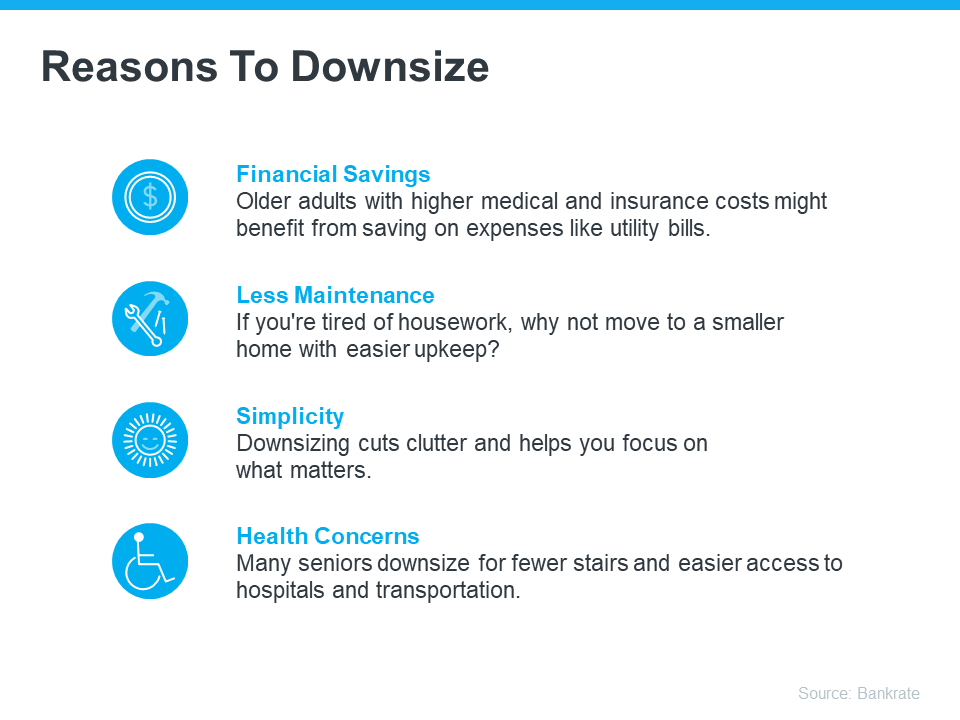
Your Equity Can Help Make Downsizing Possible
If those perks sound like something you’d want, you may already have what you need to make it happen. A recent article from Seniors Guide shares:
“And at a time when homeowners age 62 and older have more than $12 trillion in home equity, downsizing makes sense . . .”
If you’ve been in your house for a while, odds are you’re one of those homeowners who’s built up a considerable amount of equity. And that equity is something you can use to help you buy a home that better fits your needs today. Greg McBride, Chief Financial Analyst at Bankrate, explains:
“Downsizing can mean taking that equity when the home is sold and using it to pay cash or make a large down payment on a lower-priced home, reducing your monthly living expenses.”
When you’re ready to use all that equity to fuel your next move, your real estate agent will be your guide through every step of the process. That includes setting the right price for your current house when you sell, finding the home that best fits your evolving needs, and understanding what you can afford at today’s mortgage rate.
Bottom Line
Starting your retirement journey? Think about downsizing – it could really help make your life easier and more enjoyable. To explore your options, contact the Ann Arbor Condo specialists with The Bouma Group at 734-761-3060 or info@bouma.com today! Check out condo complexes in the Ann Arbor area here!
What You Need to Know About Today’s Down Payment Programs
Down Payment Programs Aren’t Just for First-Time Homebuyers

There’s no denying it’s gotten more challenging to buy a condo or home, especially with today’s mortgage rates and home price appreciation. And that may be one of the big reasons you’re eager to look into grants and assistance programs to see if there’s anything you qualify for that can help. But unfortunately, many homebuyers feel like they don’t know where to start.
A recent Bank of America Institute study asked prospective buyers where they lack confidence in the process and need more information. And this is what topped the list:
53% said they need help understanding home-buying grant programs.
So, here’s some information that can help you close that gap.
What Is Down Payment Assistance?
As the Mortgage Reports explains:
“Down payment assistance (DPA) programs offer loans and grants that can cover part or all of a home buyer’s down payment and closing costs. More than 2,000 of these programs are available nationwide. . . DPA programs vary by location, but many home buyers could be in line for thousands of dollars in down payment assistance if they qualify.”
And here’s some more good news, you probably don’t need to save as much for your down payment as you think. Contrary to what you may have heard, typically you don’t have to put 20% down unless it’s specified by your loan type or lender. So, you likely don’t need to save as much upfront, and there are programs designed to make your down payment more achievable. Sounds like a win-win.
First-Time and Repeat Buyers Are Often Eligible
It’s also worth mentioning, that it’s not just first-time homebuyers that are eligible for many of these programs. That means whether you’re looking to buy your first house or your fifth, there could be an option for you. As Down Payment Resource notes:
“You don’t have to be a first-time buyer. Over 39% of all [homeownership] programs are for repeat homebuyers who have owned a home in the last 3 years.”
Additional Down Payment Resources That Can Help
Here are a few down payment assistance programs that help buyers achieve their dream of homeownership:
- Teacher Next Door is designed to help teachers, first responders, health providers, government employees, active-duty military personnel, and Veterans reach their down payment goals.
- Fannie Mae provides down payment assistance to eligible first-time homebuyers living in majority-Latino communities.
- Freddie Mac also has options designed specifically for homebuyers with modest credit scores and limited funds for a down payment.
- The 3By30 program lays out actionable strategies to add 3 million new Black homeowners by 2030. These programs offer valuable resources for potential buyers, making it easier to secure down payments and realize their dream of homeownership.
- For Native Americans, Down Payment Resource highlights 42 U.S. homebuyer assistance programs across 14 states that ease the path to homeownership by providing support with down payments and other associated costs.
If you want more information on any of these, the best place to start is by contacting a trusted real estate professional.
We’ll share more details about what may be available, including any other programs designed to serve specific professions or communities. And even if you don’t qualify for these types of programs, we can help find out if there are any other federal, state, and local options available you should look into.
Bottom Line
Affordability is still a challenge, so if you’re looking to buy, you will want to make sure you’re taking advantage of any and all resources available.
Connect with us at The Bouma Group at 734-761-3060 or info@bouma.com and let’s explore your options!