
What Should You Know About Condo Inspections in Ann Arbor?
Quick answer: A condo inspection in Ann Arbor evaluates the unit’s interior systems, including electrical, plumbing, HVAC, and structural elements. It excludes exterior building components typically maintained by the HOA. Buyers should always get one to avoid costly surprises, while sellers benefit from pre-listing inspections that build buyer confidence and speed up closings. Reviewing HOA documents and reserve funds alongside the inspection gives you the full picture of a condo’s true condition.
Buying or selling a condo in Ann Arbor comes with its own unique rhythm compared to single-family homes. You’re not just evaluating four walls and a roof; you’re stepping into a shared community with collective responsibilities, shared amenities, and a homeowners association that plays a significant role in your day-to-day living experience. That’s why condo inspections matter so much, yet they’re often misunderstood or overlooked entirely.
Whether you’re eyeing a stylish loft near Kerrytown or a low-maintenance unit near campus, understanding what a condo inspection covers can help you avoid unpleasant surprises down the road. This guide outlines everything Ann Arbor condo buyers and sellers need to know, including a few often-overlooked details: HOA documents, reserve funds, and how Michigan’s condo laws shape the entire process.

Why Should a Buyer Get a Condo Inspection?
A condo inspection gives buyers a clear, professional assessment of a unit’s actual condition before closing. Even a beautifully staged unit can hide plumbing issues, electrical quirks, or HVAC systems nearing the end of their lifespan.
For Ann Arbor buyers specifically, inspections matter because some older condo buildings, especially those in historic areas like the Old West Side or converted buildings downtown, may have older infrastructure. An inspection helps you:
- Avoid costly surprises: Identifying issues before closing means you can negotiate repairs or price adjustments rather than footing the bill after you’ve already signed.
- Gain negotiating leverage: A detailed inspection report gives you concrete data to request credits or repairs from the seller.
- Protect your investment: Condos are a significant financial commitment. An inspection confirms you’re paying a fair price for the unit’s actual condition, not just its curb appeal.
- Understand ongoing maintenance needs: Knowing what’s aging or nearing replacement helps you budget for future repairs.
Skipping this step is one of the most common mistakes a condo buyer can make.
What Does a Condo Inspector Actually Look For?
A condo inspector focuses primarily on the interior of the unit, since exterior structures and common areas typically fall under the HOA’s maintenance responsibilities. During a standard inspection, expect the inspector to evaluate:
Interior Systems and Structure
- Electrical systems: Outlets, wiring, panel condition, and code compliance.
- Plumbing: Water pressure, pipe condition, signs of leaks, and water heater functionality.
- HVAC systems: Furnace and air conditioning performance, age, and maintenance history.
- Structural elements: Walls, ceilings, and flooring for signs of damage, settling, or water intrusion.
Safety and Function
- Smoke and carbon monoxide detectors
- Windows and doors for proper sealing and function
- Signs of mold, pest activity, or moisture damage
- Kitchen and bathroom fixtures and appliances
What’s Typically Excluded
Unlike a single-family home inspection, a condo inspection generally won’t cover the roof, exterior siding, shared hallways, elevators, or landscaping. These fall under the HOA’s purview and are usually addressed separately through HOA maintenance records and reserve fund reports.
How Does a Condo Inspection Benefit Buyers?
Beyond simply identifying problems, a condo inspection gives Ann Arbor buyers real peace of mind. Here’s what that looks like in practice:
- Informed decision-making: You’ll know exactly what you’re buying before you commit, reducing buyer’s remorse.
- Financial protection: Catching issues early prevents unexpected repair costs after move-in.
- Stronger negotiating position: Inspection findings often translate into price reductions, repair credits, or seller-funded fixes.
- Confidence in your purchase: Especially for first-time condo buyers, an inspection report demystifies the condition of the property and builds confidence in the final decision.
How Does a Condo Inspection Benefit Sellers?
Sellers often overlook the value of a pre-listing inspection, but it can be one of the smartest moves in a competitive Ann Arbor market. Consider these advantages:
- Faster closings: Addressing issues before listing reduces the chance of last-minute negotiations derailing your sale.
- Increased buyer confidence: A clean inspection report (or one paired with completed repairs) reassures buyers and can lead to stronger offers.
- Fewer surprises during buyer inspections: Knowing what a buyer’s inspector will find allows you to address issues on your terms and timeline, rather than reactively.
- Potential for a smoother sale price: Units with documented, resolved issues tend to sell closer to asking price than those with unresolved inspection findings that emerge mid-negotiation.
For sellers preparing to list, working with a knowledgeable Realtor who understands Ann Arbor’s condo market can help you decide whether a pre-listing inspection makes sense for your specific building and situation.
How Is a Condo Inspection Different From a Home Inspection?
While both inspections aim to assess a property’s condition, condo inspections differ from single-family home inspections in a few key ways:
|
Aspect |
Condo Inspection |
Home Inspection |
|---|---|---|
|
Scope |
Interior unit only |
Entire property, including exterior |
|
Roof & Exterior |
Excluded (HOA responsibility) |
Included |
|
Shared Systems |
Not typically inspected |
N/A |
|
HOA Documents |
Reviewed separately |
Not applicable |
|
Common Areas |
Assessed through HOA records, not physical inspection |
N/A |
Choose a condo-specific inspector if the property is part of an HOA-managed building, since they’ll understand which elements fall outside their scope and can direct you toward reviewing the right HOA documentation instead.
What Else Should Buyers and Sellers Consider?
A physical inspection only tells part of the story. To fully understand a condo’s condition and financial health, buyers and sellers alike should also pay attention to:
Reviewing HOA Documents
HOA documents reveal a building’s financial stability, rules, and any pending litigation or special assessments. Request meeting minutes, budgets, and bylaws before finalizing a purchase; these documents often reveal issues that a physical inspection simply can’t detect.
Understanding Reserve Funds
A condo association’s reserve fund covers major future repairs, like roof replacements or elevator upgrades. A poorly funded reserve can mean higher HOA fees or unexpected special assessments down the road. Ask for the most recent reserve study to see whether the fund is adequately prepared for upcoming expenses.
Common Area Responsibilities
Understand what the HOA maintains versus what falls on individual owners. This distinction affects both your inspection scope and your long-term maintenance budget.
Michigan-Specific Condo Laws
Michigan’s Condominium Act (MCL 559.101 et seq.) governs how associations operate, including disclosure requirements sellers must follow. Buyers should ask whether the association has provided a disclosure statement as required under Michigan law, since this document often includes financial and legal details relevant to your decision.
Ready to Move Forward With Confidence?
Condo inspections in Ann Arbor go beyond a simple checklist. They’re about understanding not just the unit itself, but the community and financial structure behind it. Buyers who combine a thorough inspection with careful review of HOA documents and reserve funds walk into their purchase with clarity and confidence. Sellers who prepare ahead of time position their condo for a smoother, faster, more profitable sale.
If you’re navigating a condo purchase or sale in Ann Arbor, partnering with the right Realtor makes all the difference. The Bouma Group, Realtors, are Ann Arbor’s condo experts who are known for selling more condos in Ann Arbor than anyone else. Reach out today at 734-761-3060 or info@condohotline.com, and let’s make sure your next move is backed by the right information and expert guidance every step of the way.
Frequently Asked Questions
Do I need a special inspector for a condo, or can I use a regular home inspector?
Look for an inspector with condo experience specifically, since they’ll understand the limited scope of what’s covered, interior systems only, and won’t waste time (or your money) evaluating exterior elements maintained by the HOA.
How much does a condo inspection cost in Ann Arbor?
Condo inspections generally cost less than full home inspections since they cover a smaller scope, though exact pricing varies by inspector and unit size. Contact a local inspector for a quote specific to your property. Call us for a list of our favorites!
Can a condo sale fall through because of inspection findings?
Yes. Significant issues uncovered during an inspection can lead buyers to renegotiate, request repairs, or walk away entirely. Pre-listing inspections benefit sellers because they reduce the chance of surprises derailing a deal.
What’s the difference between HOA fees and reserve funds?
HOA fees cover day-to-day operating costs like landscaping and staffing, while reserve funds are set aside specifically for major future repairs, such as roof replacements or structural upgrades.
Are sellers in Michigan required to disclose known issues with a condo?
Yes. Michigan law requires sellers to provide certain disclosures, and condo associations may also need to share financial and legal documents under the Michigan Condominium Act. Buyers should request these documents early in the process.
What is Earnest Money? A Condo Buyer’s Guide
What is Earnest Money and Why Do I Need It?
You have finally found the perfect property after weeks of searching. The location is ideal, the amenities match your lifestyle, and you are ready to make an offer. As you sit down to draft the purchase agreement, your real estate agent mentions you need to provide an earnest money deposit. If this is your first time navigating the home-buying process, you might feel slightly overwhelmed.
Purchasing a condo involves navigating a maze of new terms and financial requirements. Earnest money is one of the first and most critical components of your real estate transaction. It shows the seller you are a serious buyer and helps secure your offer.
In this insightful guide, we will break down exactly what earnest money is, why you need it, and how to protect your funds. You will learn how much you should expect to pay, under what conditions you can get your money back, and how these funds apply to your final closing costs.

What Exactly is Earnest Money?
At its core, earnest money is a “good faith” deposit you make when signing a purchase agreement. When you submit an offer on a condo, this deposit proves to the seller that you are genuinely interested in buying the property.
Think of it as a security deposit for purchasing a home. When a seller accepts your offer, they must take their property off the market. This creates a period of risk for the seller. If you suddenly decide to walk away from the deal simply because you changed your mind, the seller loses valuable time and potential other buyers. Your earnest money provides them with financial reassurance.
Once you and the seller sign the contract, you do not hand this money directly to the seller. Instead, you deposit the funds into a secure escrow account managed by a neutral third party, such as a title company or real estate brokerage. The money stays in this account until the sale finalizes.
Why Do I Need Earnest Money for a Condo Purchase?
If you want to secure your dream condo in a competitive market, an earnest money deposit is practically mandatory. While the law rarely requires it, sellers will almost never accept an offer without one.
Here are the primary reasons you need to provide an earnest money deposit:
It Makes Your Offer Competitive
A strong earnest money deposit helps your offer stand out. If a seller receives multiple offers with similar purchase prices, they will look at the terms. A buyer offering a larger good faith deposit appears more financially stable and committed to the purchase.
It Protects the Seller
As mentioned, sellers take a significant risk when they accept an offer. They halt their marketing efforts and stop showing the condo to other potential buyers. If the deal falls through without a valid contractual reason, the seller keeps the earnest money as compensation for their lost time and effort.
It Keeps the Transaction Moving
Putting your own cash on the line creates a strong incentive to complete your financing applications, schedule your inspections, and follow through on the purchase timeline. It ensures a seamless progression from the accepted offer to the closing table.
How Much Earnest Money is Typical?
The amount of earnest money you need to put down varies depending on the local real estate market, the condition of the property, and the overall purchase price.
Generally, you can expect to pay between 1% and 3% of the total purchase price. For example, if you are purchasing a $400,000 condo, your deposit would typically range from $4,000 to $12,000.
However, in highly competitive markets where multiple buyers are bidding on the same properties, buyers often increase their earnest money to 5% or even 10% to make their offer more attractive. A higher deposit signals strong financial health and firm intent. Your Realtor can provide expert market insights to help you determine the exact amount that makes sense for your specific situation.
Is My Earnest Money Deposit Refundable?
One of the biggest concerns buyers have is whether they can lose their deposit. Fortunately, standard real estate contracts include built-in protections called contingencies. These contingencies outline specific conditions that must be met for the transaction to proceed. If a condition fails, you can back out of the deal and receive a full refund of your earnest money.
Here are the most common contingencies that protect your deposit:
The Home Inspection Contingency
Even if a condo looks perfect during a virtual tour or an in-person visit, hidden issues might exist. The inspection contingency gives you a specific window of time to hire a professional to evaluate the property. If the inspector finds significant structural issues, plumbing problems, or electrical faults, you can ask the seller to make repairs. If the seller refuses, you can cancel the contract and get your deposit back.
The Financing Contingency
Unless you are paying in cash, you will need to secure a mortgage. The financing contingency protects you if your lender ultimately denies your loan application. Even with a pre-approval letter, your final financing depends on various factors, including a final review of your credit and income. If you cannot secure financing within the agreed-upon timeframe, your earnest money remains safe.
The Appraisal Contingency
Lenders require an appraisal to ensure the condo is worth the amount you agreed to pay. If you offer $350,000 but the appraiser determines the market value is only $320,000, the lender will not finance the full amount. A comparative market analysis early in the process helps predict this, but if a low appraisal happens, you can renegotiate the price or walk away with your deposit intact.
The Condo Association Document Review
When buying a condo, you are also buying into a community governed by a Homeowners Association (HOA). You typically have a contingency period to review the association’s bylaws, financial health, and community rules. If you discover the association has massive debt, pending lawsuits, or restrictive rules that you cannot live with, you can withdraw your offer and retain your earnest money.
What Happens to the Earnest Money at Closing?
Your earnest money does not just disappear, and it is not an extra fee paid on top of your purchase price. When you reach the closing table, the funds held in the escrow account are applied directly toward your final financial obligations.
Usually, the title company applies the earnest money to your down payment or your closing costs. For instance, if you provided a $5,000 earnest money deposit and your total down payment is $40,000, you will only need to bring $35,000 to closing. It acts as an early, accessible installment toward your new home.
Common Earnest Money Mistakes to Avoid
Navigating the real estate market requires sharp attention to detail. Avoid these common pitfalls to keep your deposit safe:
- Waiving Contingencies Blindly: In a hot market, you might feel tempted to waive your inspection or financing contingencies to win a bidding war. Do this only under expert Realtor guidance, as waiving these protections means you could lose your deposit if something goes wrong.
- Missing Contract Deadlines: Purchase agreements include strict timelines for inspections, appraisals, and financing approvals. If you miss a deadline and try to back out later, the seller has the right to keep your money.
- Giving Money Directly to the Seller: Never hand a personal check or cash directly to the seller. Always ensure your funds go to a verified escrow account managed by a reputable third party.
- Making Emotional Decisions: Always rely on comparative market data rather than emotion when deciding how much earnest money to offer.
Frequently Asked Questions
What happens if the seller backs out of the contract?
If the seller decides to cancel the sale for a reason not covered in the contract, you will receive a full refund of your earnest money. In some cases, you may also have legal grounds to sue the seller for breach of contract.
Can I use a credit card for earnest money?
Typically, no. Title companies and brokerages usually require a certified check, a personal check, or a wire transfer to accept earnest money deposits.
How long does it take to get earnest money back if a deal falls through?
If you back out for a valid reason covered by a contingency, both you and the seller must sign a release form. Once signed, the escrow holder usually returns the funds within a few business days.
Is an earnest money deposit the same as a down payment?
No. Earnest money is an upfront deposit to show good faith when making an offer. A down payment is the total cash amount you pay toward the property’s purchase price at closing. However, your earnest money is usually applied toward your down payment when the sale finalizes.
Secure Your Ideal Condo with Confidence
Understanding how earnest money works is a crucial step in your condo purchasing journey. It empowers you to make strong, competitive offers while ensuring your hard-earned savings remain protected by the right contract contingencies.
You do not have to navigate the complex world of real estate alone. Expert Realtor guidance makes all the difference when drafting purchase agreements, negotiating terms, and exploring accessible financing options.
If you are looking to explore vibrant condos in the Ann Arbor area and want a seamless buying experience, our team is ready to help you every step of the way. Contact us at The Bouma Group, Realtors today at 734-761-3060 or info@condohotline.com to start your journey toward your perfect place.
Pre-Qual vs. Pre-Approval for Ann Arbor Condos
Pre-Qualification vs. Pre-Approval for Condos

Buying a condo is an exciting milestone, but navigating the financial requirements can feel overwhelming. If you are eyeing the market for Ann Arbor condos, you have likely heard the terms “pre-qualification” and “pre-approval” thrown around by real estate professionals and lenders. While they sound similar, they serve very distinct purposes in your home-buying journey.
Understanding the differences between these two financial checkpoints can save you time, reduce stress, and give you a competitive edge. This guide will break down pre-qualification vs. pre-approval, highlight when each is most beneficial, and provide practical condo buying tips to help you secure your dream property in Ann Arbor.
What is Pre-Qualification?
Pre-qualification is the first step in the mortgage process. It provides a basic estimate of how much house you can afford. To get pre-qualified, you supply a lender with an overview of your financial picture. This includes your income, assets, and debts.
The lender reviews this information and gives you an estimated loan amount. This process is usually quick, often happening over the phone or online. It rarely requires a hard credit check or deep verification of your documents. Think of pre-qualification as a helpful financial snapshot. It sets your budget expectations but does not guarantee a loan.
What is Pre-Approval?
Pre-approval is a much more rigorous process. It carries significantly more weight than a pre-qualification. When you seek pre-approval, you must complete an official mortgage application and supply the lender with extensive documentation. This includes recent pay stubs, W-2s, bank statements, and tax returns.
The lender will also pull a hard credit report to assess your credit score and history. Once the underwriter reviews your financial background, they will offer a specific loan amount at a specific interest rate. A pre-approval letter proves to sellers that you have the financial backing to follow through on an offer.
Key Differences: Pre-Qualification vs. Pre-Approval
To make the best decisions while shopping for Ann Arbor condos, you must understand how these two steps differ.
- Verification: Pre-qualification relies on self-reported data. Pre-approval requires strict verification of your income, assets, and credit history by a financial institution.
- Time and Effort: You can get pre-qualified in just a few minutes. Pre-approval takes several days or even weeks, as it involves gathering documents and undergoing underwriter review.
- Market Weight: Sellers do not view pre-qualification as a firm commitment. A pre-approval letter, however, shows you are a serious buyer with verified funds.
- Financial Impact: Pre-qualification usually involves a soft credit inquiry, which does not affect your credit score. Pre-approval requires a hard inquiry, which can slightly lower your score temporarily.
When to Use Each in the Ann Arbor Condo Market
The Ann Arbor real estate market is highly competitive. Knowing when to use a pre-qualification versus a pre-approval can dictate the success of your property search.
Early Stages: The Power of Pre-Qualification
Pre-qualification is highly beneficial when you are just starting to explore the idea of buying a condo. If you are browsing www.condohotline.com to see what types of properties are available, pre-qualification helps you set a realistic price range.
It prevents you from falling in love with a condo that sits outside your budget. Use this step to understand your financial boundaries before you officially hire a real estate agent or schedule property tours.
Ready to Buy: Why You Need Pre-Approval
Once you are ready to make offers on specific Ann Arbor condos, a pre-approval letter becomes mandatory. Sellers want assurance that a buyer can close the deal without financing falling through at the last minute.
If a highly desirable condo receives multiple offers, sellers will quickly dismiss bids from buyers who only have a pre-qualification. A solid pre-approval letter gives you negotiating power and demonstrates your credibility.
Essential Condo Buying Tips for Ann Arbor
Securing financing is just one piece of the puzzle. Use these condo buying tips to navigate your purchase smoothly:
Review the HOA Documents Carefully
Every condo association operates differently. Before finalizing your purchase, review the Homeowners Association (HOA) rules, fees, and financial health. Ensure the association has adequate reserves for future repairs so you avoid surprise special assessments.
Consider the Location and Lifestyle
Ann Arbor offers diverse neighborhoods. Decide whether you want a condo within walking distance of downtown dining, the University, Michigan Medicine, or something quieter on the outskirts of town. Factor your daily commute and lifestyle preferences into your location choice.
Partner with a Local Expert
Working with a Real Estate team that specializes in condos makes a massive difference. Local experts understand the nuances of specific condo communities and can guide you toward properties that fit your goals and budget.

Take the Next Step Toward Your Condo
Understanding pre-qualification vs. pre-approval puts you in a strong position to buy a condo. Start by getting pre-qualified to outline your budget, then secure a pre-approval when you are ready to shop seriously.
If you want expert guidance navigating the market for Ann Arbor condos, we are here to help. Reach out to The Bouma Group, Realtors today at 734-761-3060 or email us at info@bouma.com to begin your journey.
What Is Pop-Up Tax? A Guide for Homebuyers in Ann Arbor
A Buyer’s Guide to Pop-up Tax

When buying a home or condo in Ann Arbor, there’s a term that often catches homebuyers, particularly first-time buyers, off guard: the pop-up tax. This little-known factor can have a significant impact on your property tax bill after closing. But what is it, exactly, and how does it work? More importantly, how can you prepare for it?
This guide will explain the concept of pop-up tax, clarify how it affects your property taxes, and provide tips for navigating this cost so you can approach your home purchase with confidence.
What Is Pop-Up Tax?
The pop-up tax is a term used to describe the increase in property tax assessments that occurs when a property changes ownership. Under Michigan law, the taxable value of a home or condo—used to calculate property taxes—remains capped while the same owner holds the title. This means the property taxes typically increase only slightly each year due to limits set by the state.
However, when a property is sold, this cap is removed, and the taxable value is “uncapped,” triggering a reassessment. The property’s taxable value is reset to match its state equalized value (SEV), which is typically about 50% of the property’s market value. This reassessment can result in a significant jump in property taxes, hence the colloquial name “pop-up tax.”
For example, if the previous homeowner’s taxable value was $125,000 but the state equalized value after the sale is $200,000, your taxable value as the new owner will “pop up” to the higher figure. Consequently, your property tax bill will also spike.
How Does the Pop-Up Tax Work?
To understand the pop-up tax in practice, it’s essential to differentiate between two figures:
- Taxable Value – This is the value used to calculate your property taxes. For continuing homeowners, it increases annually at the rate of inflation or 5%, whichever is lower, thanks to Michigan’s property tax cap (Proposal A).
- State Equalized Value (SEV) – This is an estimate of 50% of your home’s market value, determined by local assessors. SEV fluctuates with the property’s appraised market value.
When a property changes hands, the taxable value is uncapped and reset to the SEV. Property taxes are then recalculated based on the new taxable value. Depending on how long the previous owner held the property—and how dramatically property values have risen in the area—the difference between the old and new taxable value can be substantial.
Example Scenario:
Imagine you’re buying a condo in Ann Arbor:
- The seller purchased the property 15 years ago for $150,000. Over time, with Michigan’s tax cap, their taxable value crept up to $100,000.
- You’re purchasing the condo today for $300,000. The SEV would be half of that, or $150,000. Now that the taxable value is uncapped, it will rise to $150,000.
- If the local property tax rate is 2%, your annual taxes increase from $2,000 (2% of $100,000) to $3,000 (2% of $150,000), meaning you’re paying $1,000 more each year.
The key takeaway here? Even if the previous owner’s property taxes seemed affordable, they may not reflect what you’ll pay after buying the home.
What Makes Ann Arbor Unique?
Ann Arbor’s dynamic real estate market plays a big role in the impact of pop-up taxes. With a mix of high-demand areas and steadily increasing property values, SEVs (and consequently property taxes) can rise dramatically over time. Homes owned for many years may have taxable values well below their market values, leading to a more significant adjustment when ownership changes.
It’s also worth noting that millage rates—or local tax rates—add to this. Ann Arbor has a variety of millages supporting schools, parks, and local services that contribute to the city’s thriving community but also increase property tax obligations compared to surrounding areas.
For new homeowners, this means it’s especially important to account for the potential tax adjustment when determining your budget.
How Can Buyers Prepare for the Pop-Up Tax?
Understanding and planning for the pop-up tax can save you from unwelcome surprises after closing. Here are some practical tips:
1. Estimate Your Adjusted Property Taxes
Before committing to a purchase, use the home’s SEV to estimate what your property taxes will look like after the sale. The easiest way to find this value is through the local assessor’s website or by contacting their office directly. Multiply the SEV by two to approximate the home’s market value, then apply the local millage rate to calculate your potential tax bill.
2. Use Online Tax Estimation Tools
Many municipalities, including those in Washtenaw County, provide online property tax calculators. These tools can help you determine your estimated tax liability based on the property’s sale price and applicable millages.
3. Talk to Your Realtor
Working with an experienced realtor in Ann Arbor ensures you’re not navigating these complexities alone. A local real estate agent can provide detailed tax insights for specific neighborhoods and recent properties they’ve sold.
4. Include Taxes in Your Budget
When calculating your monthly housing costs, be sure to include the adjusted property tax estimate along with mortgage payments, homeowners’ insurance, utilities, and association dues (if applicable). This full financial picture will prevent you from overextending your budget.
5. Appeal Your SEV if Necessary
If you believe the assessor overestimates your property’s market value after the sale, you have the right to appeal the new SEV. Consult the city or county guidelines for filing an appeal, and be prepared to submit supporting documentation.
Resources for Ann Arbor Homebuyers
Navigating property taxes can be daunting, but there are plenty of resources available to help:
- City of Ann Arbor Assessor’s Office – Provides property records, tax rates, and guidance for tax-related questions.
- Washtenaw County Website – Offers access to property tax calculators and assessor information.
- Michigan State Tax Commission – Publishes detailed guides on property taxes, SEVs, and appeals processes.
- Local Realtors – Many agents specialize in helping buyers understand pop-up taxes and other costs unique to the area.
Additionally, consider attending local homebuyer workshops or consulting with a real estate attorney for a deeper understanding of the process.
Final Thoughts
The pop-up tax may not sound like the most exciting part of buying a home or condo in Ann Arbor, but it’s a critical factor to plan for. By understanding how it works, estimating your property taxes, and leveraging the right resources, you can avoid any financial shocks and confidently take the next step in your homebuying journey.
Remember, buying a property is not just a financial investment—it’s a personal milestone. Preparing for the pop-up tax ensures that this moment remains as exciting and stress-free as possible. To learn more about the home buying journey and to start your, contact us at The Bouma Group today at 734-761-3060 or info@condohotline.com.
Why Ann Arbor Condos Are Experiencing Price Reductions this Spring
Price Reductions for Ann Arbor Condos

If you’re following the Ann Arbor housing market, you’ve likely noticed a curious trend this Spring—price reductions on condos are becoming more common. For homebuyers and sellers alike, this shift raises a lot of questions. Why are prices being lowered? What does it say about the market? And most importantly, how should you respond, whether you’re buying or selling?
This blog will break down the key reasons behind these price adjustments, the economic factors at play, and what this market trend means for both buyers and sellers. We’ll also share tips for navigating these changes.
What’s Causing the Price Drops?
Several factors are driving the recent wave of condo price reductions in Ann Arbor. While changes like this are rarely the result of one issue alone, the following may help explain the bigger picture.
1. Shifting Market Conditions
Over the past year, the real estate market in the U.S. has cooled after a frenzied post-pandemic housing boom. Ann Arbor, like many cities, is experiencing the effects of this market recalibration. Gone are the days when sellers could list their properties at inflated prices and expect competing offers within hours. Today, homes—including condos—are sitting on the market longer, forcing sellers to reconsider their pricing strategies.
2. Economic Influences
National and local economic factors also play a critical role. As of June 2025, interest rates remain elevated compared to their historical lows. Higher mortgage rates directly impact affordability for buyers. With borrowing costs rising, many prospective buyers are scaling down their budgets or opting to rent instead. This ultimately reduces demand for condos, putting downward pressure on prices.
Additionally, uncertainties in the broader economy, such as concerns about inflation or possible recessionary trends, may be making buyers more cautious. Economic uncertainty often translates to softer real estate markets.
3. Increase in Inventory
Another part of the equation is an increase in condo inventory. Over the last few years, Ann Arbor has seen a rise in new condo developments catering to its growing population of students, professionals, and retirees. In May 2025, Ann Arbor saw a 28% increase in listings compared with May 2024. While this increase in supply is great for buyers, it means sellers now face more competition. When buyers have more options, sellers must be willing to negotiate or lower their asking prices to make their listings stand out.
4. Potential Overpricing
Some sellers in Ann Arbor may have initially priced their condos too high. This might be due to lingering expectations from the seller-friendly market of recent years or a misunderstanding of current conditions. When a home sits on the market without generating enough interest, sellers often opt for price reductions to attract a new buyer pool, get offers, and avoid prolonged market exposure.
The Impact on Buyers and Sellers
Price reductions affect buyers and sellers in different ways, and understanding these impacts can help you make informed decisions.
For Buyers
Price reductions present an opportunity, especially for those who have been struggling to break into the competitive housing market. Here’s what buyers can expect:
- More Negotiating Power: Buyers may find they have an edge when making offers, as sellers are more motivated to close deals.
- Wider Choices: Since inventory levels are higher, buyers can take their time to explore more options and make decisions that align with both their preferences and budgets.
- Affordability Considerations: Although sellers are reducing prices, higher mortgage rates may still make monthly payments a challenge. Ensure you run the numbers carefully before committing.
For Sellers
If you’re selling your condo in Ann Arbor, this environment can feel more challenging. However, understanding the reality of today’s market can help you adjust your approach:
- Pricing Strategically: Setting a realistic price from the beginning is critical to attracting buyers. Consider consulting with a local real estate professional who understands current market trends.
- Considering Pre-Listing Improvements: Enhancing your condo’s appeal through small upgrades or staging can help it sell faster, even in a cooling market.
- Being Patient and Flexible: Be prepared for the possibility of longer listing times and the need to negotiate with buyers.
Navigating the Current Market
Whether you’re a prospective buyer or a seller, here are some tips for navigating today’s Ann Arbor condo market:
Advice for Buyers
- Know Your Budget: With changing market conditions and higher mortgage rates, determine what you can comfortably afford before starting your search.
- Be Prepared to Compromise: While inventory is higher, the perfect property may still come at a premium. Know your non-negotiables and be willing to compromise on other aspects.
- Time Your Offers Strategically: Staying informed about price reductions and market dynamics can help you make well-timed offers, potentially securing a great deal.
Advice for Sellers
- Work with a Pro: An experienced real estate agent familiar with Ann Arbor’s unique market can provide pricing strategies that help your condo remain competitive.
- Focus on Presentation: Ensure your condo makes a strong first impression with prospective buyers. This could include staging, professional photos, or hosting open houses.
- Adjust Quickly: If your condo isn’t generating interest after a couple of weeks, reevaluate your strategy. This might mean a price adjustment or additional marketing efforts. Typically, if you’ve had 10-12 showings and no offers, you’re 4-6% over list price, and if you’ve had no showings, you’re 10% over.
Looking Ahead
The Ann Arbor market is undergoing a period of recalibration, which may continue through 2025. While this isn’t ideal for every seller, it’s a necessary part of balancing supply and demand, paving the way for more sustainable market conditions in the long term. If you’re planning to buy or sell a condo, staying informed and adapting to these changes will help you make the most of today’s real estate landscape.
Whether you’re a first-time homebuyer or a seasoned property owner, preparing for these shifts is key. Taking proactive steps now can lead to better opportunities in the months ahead. Contact us today at The Bouma Group, Realtors at 734-761-3060 or info@condohotline.com and let’s get your condo priced correctly to sell!
Buyers, start your Ann Arbor Condo search here!
Understanding Today’s Mortgage Rates: Is 3% Coming Back?
Are 3% Mortgage Rates Coming Back?

Many buyers are holding off on their plans these days, hoping that mortgage rates will drop – perhaps even back to the historic low of 3% from a few years ago. But here’s the thing: those rates were never meant to last. They were a short-term response to a very specific moment in time. And as the market finds its footing again, it’s time to reset expectations.
Back in 2020 and 2021, 3% mortgage rates gave buyers a serious boost: more affordability, more buying power, and more opportunity. But those rates were a result of emergency economic policies during the height of a global pandemic. Now that the economy is in a different place, we’re seeing mortgage rates in the high 6% to low 7% range.
And while experts currently project a slight easing in the months ahead, most industry leaders agree: rates are not going back to 3%.
Instead, many forecasts suggest mortgage rates will settle in the mid-6% range by the end of the year, pending any major economic shifts. As Kara Ng, Senior Economist at Zillow, says:
“While Zillow expects mortgage rates to end the year near mid-6%, barring any unforeseen shocks, that path might be bumpy.”
What Buyers Should Know
Basically, waiting for 3% rates might mean waiting longer than you’d expect – and missing out along the way. Instead of putting off homebuying indefinitely, make a plan to get there and focus on what you can control: your budget, your credit, and working with a trusted professional who can explain exactly what’s happening in the current market – and how to navigate it.
Your local real estate agent and a trusted lender make all the difference in this process. The experts have insights into down payment assistance programs, alternative financing options, negotiation strategies, and overall – the experience you need on your side to understand creative ways that will make your plans work.
And here’s the biggest thing to keep in mind. Since rates are projected to ease slightly later this year, if that happens, it could bring some more buyers back into the market. Acting now gives you a head start, especially with more homes on the market than we’ve seen in years.
Think about it: if mortgage rates do come down, what do you think everyone else is going to do? That’s right – they’ll jump back in too.
Getting ahead of that rush could put you in a stronger position to find the right home with less competition. Realtor.com sums it up well:
“Staying out of the market in hopes of a rate drop that never comes can lead to missed opportunities . . . Rising home prices, rent increases, and inflation might outpace any future savings on interest. And if rates do fall sharply again, buyers could face an entirely different challenge: surging competition.”
Bottom Line
Those 3% rates everyone remembers from a few years ago were the exception, not the rule.
Now that they’re settling into new territory, it’s a good time to adjust your expectations and learn more about where things are heading as this market shifts.
A local real estate agent and a trusted lender will be your best resources, always keeping you up-to-date and informed, so you can make sense of your options and build a game plan that works for you. See Ann Arbor Condo complexes here and start dreaming about your new home! Contact The Bouma Group today at 734-761-3060 or info@condohotline.com.
Exciting New Construction Condo Developments in Ann Arbor, MI
New Construction Condos in Ann Arbor

Ann Arbor is a city that perfectly blends small-town charm with vibrant, urban living, making it one of the most desirable places to call home in America. Whether you’re seeking a contemporary townhouse or a luxury penthouse, Ann Arbor’s latest condo developments offer something for everyone. Here’s a look at some of the most exciting new construction condo projects currently taking shape in this incredible city.
Bristol Ridge – North Side of Ann Arbor
Bristol Ridge by Norfolk Homes is a standout option for those seeking spacious townhome living. Nestled on the north side of Ann Arbor, this stylish community offers townhome-style condos priced between $500,000 and $650,000. With thoughtful designs, modern interiors, and proximity to nearby parks and shopping areas, Bristol Ridge offers the perfect balance of suburban tranquility and urban convenience.
212 Miller Ave. – Downtown Ann Arbor

Want to live in the heart of Ann Arbor’s bustling downtown? 212 Miller Ave. is the perfect choice. This boutique 8-unit condo development, designed by Hobbs & Black, epitomizes modern downtown living. With units ranging from $750,000 to $1,500,000, residents enjoy sleek modern designs within walking distance of the city’s best restaurants, shops, and cultural attractions.
330 Detroit Street – Downtown Ann Arbor

If the iconic “Flat Iron” building designs inspire you, then 330 Detroit Street is a must-see. Located right in Kerrytown, this striking 15-unit condo building by Marc Rueter and Associates offers distinctive, sophisticated urban living. With pricing between $1,345,000 and $1,695,000, these condos are ideal for those who appreciate bold architectural design and convenient access to all that Ann Arbor has to offer.
The J. Sinclair – Close to Downtown Ann Arbor
Experience luxury like never before at The J. Sinclair, a stunning 15-unit condo project offering penthouse-style residences near downtown Ann Arbor. This development, brought to life in a restored historic building by Hobbs & Black and Phoenix Contractors, radiates elegance. With prices starting at $2.8M, these high-end condos are perfect for those who value architectural beauty and exclusivity. These unique homes combine historical charm with the ultimate in contemporary luxury.
North Oaks – North Side of Ann Arbor

North Oaks, constructed by Toll Brothers, offers villa-style condos tailored for your needs. With first-floor primary suites, these homes combine comfort and luxury. Located on the north side of Ann Arbor, North Oaks features condos priced from $680,000 to $900,000, appealing to those looking for hassle-free, luxurious living.
Veridian at County Farm – South East Ann Arbor
For eco-conscious buyers, the Veridian at County Farm is a dream come true. Designed by Thrive Collaborative, this entirely green community is powered by solar energy and adheres to net-zero energy standards. Offering a range of options from studios to lofts to townhomes, this development starts at $300,000 and goes up to $990,000. If sustainable living in a vibrant, connected community sounds appealing, Veridian is worth exploring.
Townes on the Green – South Ann Arbor
Townes on the Green, built by Robertson Brothers Homes, offers stylish two- and three-level townhomes in South Ann Arbor. Priced from $480,000–$650,000, this community provides beautiful, modern-designed homes in a convenient location for those looking to settle in a close-knit neighborhood just minutes from local amenities.
The Gallery of Scio – West Side of Ann Arbor
For those searching for detached ranch-style condos, The Gallery of Scio in nearby Scio Township is a hidden gem. Constructed by Wexford Homes, this development combines the space of single-family homes with the convenience of condo living. Priced between $650,000 and $980,000, it’s a fantastic choice for buyers who prioritize privacy and tranquility while staying close to Ann Arbor.
Why Choose a New Construction Condo in Ann Arbor?
Ann Arbor’s new condo developments offer more than just a place to live—they provide a lifestyle. With modern designs, low-maintenance features, and premium locations, these condos allow residents to focus on enjoying everything Ann Arbor has to offer, from cultural events and top-tier restaurants to outdoor activities and a thriving local economy.
These communities are also designed with flexibility in mind, making them suitable for a wide range of buyers. Whether you’re a young professional seeking urban living, a family looking for easy access to schools, or a retiree downsizing into a low-maintenance home, there is a place for you.
And when you choose a new construction condo, you’re also buying into the latest building techniques, energy-efficient features, and contemporary home technologies—ensuring long-term comfort and peace of mind.
Find Your Dream Condo
Ann Arbor’s dynamic real estate market is buzzing with opportunities to find or customize your dream home. Whether you’re drawn to the eco-friendly innovation of Veridian at County Farm, the luxurious penthouses at The J. Sinclair, or the suburban charm of The Gallery at Scio, there has never been a better time to explore your options.
Need help navigating the market or selecting the perfect condo for you? Our team of local experts is here to guide you. Don’t go it alone, we’re here to represent you in new construction. You do not pay the builder extra for your own representation! We’re passionate about helping you find a home that fits your lifestyle and budget—and we can’t wait to get started.
Contact us today at The Bouma Group, Realtors and take the first step toward your new Ann Arbor Condo! 734-761-3060 or info@condohotline.com
Maximize Your Ann Arbor Condo Search with Condo Hotline
When it comes to finding the perfect condo in Ann Arbor, diligent research can make all the difference. However, navigating the condo market can be overwhelming, with so many communities, amenities, and listings to explore. That’s where Condo Hotline comes in. It offers a user-friendly platform that empowers Ann Arbor condo buyers with the tools they need to find their dream home, all in one convenient place.
The All-in-One Solution for Ann Arbor Condo Buyers
Condo Hotline is your one-stop shop for everything you need to know about Ann Arbor condos. Whether you’re seeking detailed information or inspiration for your search, Condo Hotline provides access to essential resources for informed decision-making. Here’s what you’ll find on the platform:
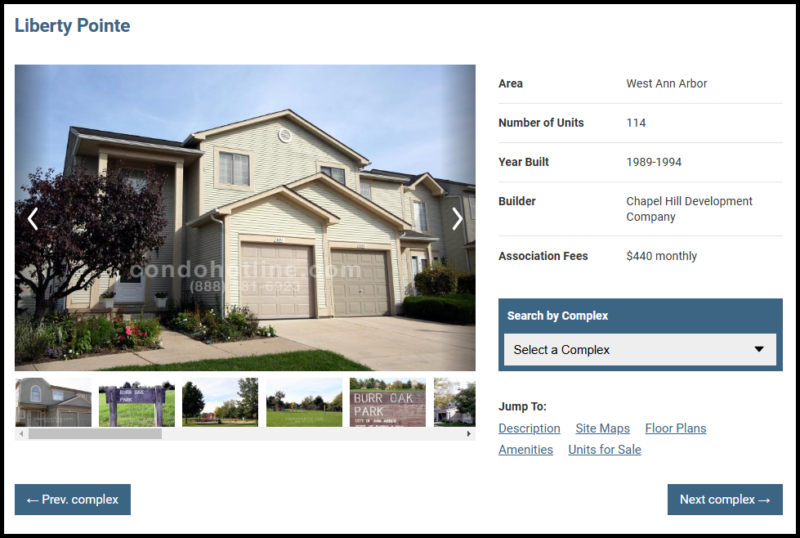
- Comprehensive Community Information – Learn about Ann Arbor condo communities, their amenities, and what makes each one unique.
- Community Photos and Descriptions – Get a feel for each condo community with in-depth descriptions and photos that bring the neighborhoods to life.
- Real-Time Listings – View units currently for sale in your desired communities and find the options that best suit your preferences.
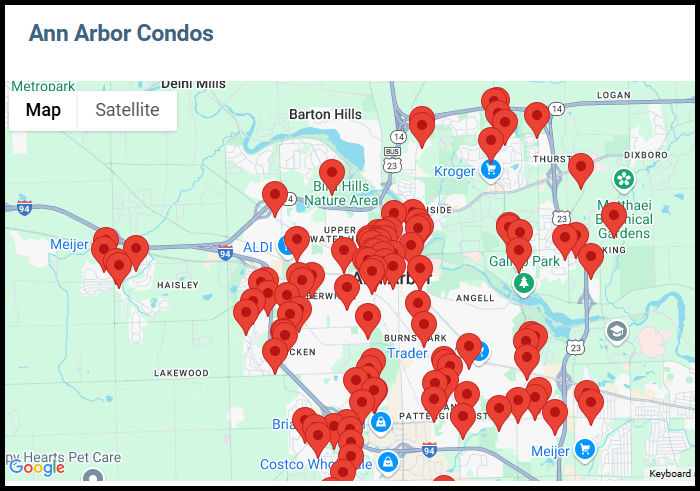
- Interactive Maps and Site Maps – Whether you’re navigating downtown or looking for the perfect suburban location, Condo Hotline’s maps help you visualize each community and its surroundings.
- Floor Plans and Bylaws – Get access to important details like floor layouts and community bylaws to ensure everything meets your expectations.
By consolidating all of this information, Condo Hotline eliminates the hassle of jumping between platforms. It’s all here, ready for you to explore.
Empowering Buyers with Smart Tools
Condo Hotline isn’t just about providing information—it’s designed to give buyers an edge in today’s competitive Ann Arbor condo market. Our platform offers powerful tools tailored to your condo-buying needs, including:
- Instant Listing Alerts: Stay ahead of the game by signing up for notifications when new condos hit the market in your preferred communities.
- Downtown Ann Arbor Market Reports: Gain insight into current market trends, pricing, and the state of the local real estate market.
- Interactive Maps for Your Search: Search communities across Ann Arbor with an easy-to-use map feature that puts you in control.
These tools empower buyers to act quickly and confidently, making the search for your dream condo seamless and efficient.

Expert Insights at Your Fingertips
Condo Hotline goes beyond listings by offering an extensive collection of resources to help you make informed decisions. Our blog features over 100 articles covering topics like:
- Buying and selling strategies tailored to the Ann Arbor condo market.
- Financing and mortgage advice for buyers.
- Guides on new condo developments in Ann Arbor.
- Insights into why Ann Arbor is one of the best places to live.
Whether you’re new to the market or a seasoned buyer, our blog offers in-depth knowledge to enhance your condo-buying experience. It’s like having a trusted advisor right at your fingertips.
Why Ann Arbor Condo Buyers Love Condo Hotline
By combining an easy-to-navigate platform, expert insights, and useful tools, Condo Hotline provides everything you need to streamline your search. The platform doesn’t just save time and energy—it ensures better outcomes by enabling smarter decision-making.
Imagine finding your perfect condo while feeling confident about every step of the process. That’s what Condo Hotline offers.
Start Your Journey with Condo Hotline
Finding the right condo in Ann Arbor doesn’t have to be a daunting task. With Condo Hotline, you’ll have access to all the tools, insights, and details you need to make your search stress-free. For any Real Estate questions, contact The Bouma Group today at 734-761-3060 or info@bouma.com.
Visit Condo Hotline today to explore Ann Arbor condos, set up listing alerts, and learn more about the market. Your dream condo could be just a few clicks away!
What’s Behind Today’s Mortgage Rate Volatility?

If you’ve been keeping an eye on mortgage rates lately, you might feel like you’re on a roller coaster ride. One day rates are up; the next they dip down a bit. So, what’s driving this constant change? Let’s dive into just a few of the major reasons why we’re seeing so much volatility, and what it means for you.
The Market’s Reaction to the Election
A significant factor causing fluctuations in mortgage rates is the general reaction to the political landscape. Election seasons often bring uncertainty to financial markets, and this one is no different. Markets tend to respond not only to who won but also to the economic policies they are expected to implement. And when it comes to what’s been happening with mortgage rates over the past couple of weeks, as the National Association of Home Builders (NAHB) says:
“. . . the primary reason interest rates have been on the rise pertains to the uncertainty surrounding the presidential election. Although the election is now complete, there continue to be growing concerns over budget deficits.”
In the short term, this anticipation has caused a slight uptick in mortgage rates as the markets adjust and react. Additionally, factors like international tensions, supply chain disruptions, and trade policies can drive investor sentiment, causing them to seek safer assets like bonds, which can indirectly impact mortgage rates. Essentially, the more global or domestic uncertainty, the greater the chance that mortgage rates may shift.
The Economy and the Federal Reserve
Inflation and unemployment are two other big drivers of mortgage rates. The Federal Reserve (the Fed) has been working to bring inflation under control, and has been closely monitoring the economy as they do. And as long as inflation continues to moderate and the job market shows signs of maximum employment, the Fed will continue its plans to cut the Federal Funds Rate.
Although the Fed doesn’t set mortgage rates, their decisions do have an impact, and typically a cut leads to a mortgage rates response. And in their November 6-7th meeting, the Fed had the data they needed to make another cut to the Federal Funds Rate. And while that decision was expected and much of the mortgage rate movement happened prior to that meeting, there was a slight dip in rates.
What To Expect in the Coming Months
As we look ahead, mortgage rates will respond to changes in the Fed’s policies and other economic indicators. The markets will likely remain in a wait-and-see mode, reacting to each new development. And, with the transition of a new administration comes an element of unpredictability. A recent article from The Mortgage Reports explains:
“Today’s economic indicators come with mixed pressures on mortgage rates and we’re likely to be in for a good amount of volatility as markets adjust and respond to the election . . .”
The best way to navigate this landscape is to have a team of real estate experts by your side. Professionals will help you understand what’s happening and can provide you with the guidance you need to make informed housing market decisions along the way.
Bottom Line
The takeaway? Today’s mortgage rate volatility is going to continue to be driven by economic factors and political changes.
Now is the time to lean on experienced professionals. A trusted real estate agent and mortgage lender can help you navigate through it. And with the right guidance, you can make informed decisions. Contact us today at 734-761-3060 or info@condohotline.com.
Understanding the Difference Between a Condo and Site Condo
Condo vs. Site Condo

For many potential homebuyers, the terms “condo” and “site condo” can be confusing. While both offer unique advantages, they cater to different preferences and lifestyles. Whether you’re a first-time buyer or someone looking to simplify your living situation, understanding these options will help you make the best choice for your needs.
What is a Condo?
A condominium, commonly referred to as a condo, is a type of housing where you own just the interior unit. Condos are often part of larger buildings or complexes with shared walls and communal areas. Here are some key features:
- Ownership: You own individual interiors but share ownership of common areas like hallways, lobbies, and amenities.
- Maintenance: The homeowner’s association (HOA) typically manages exterior maintenance, landscaping, and amenities, allowing you to enjoy lower maintenance responsibilities.
- Amenities: Many condos come with added comforts such as pools, fitness centers, and community lounges, providing a luxurious and convenient lifestyle.
- Affordability: With shared costs and smaller living spaces, condos can be a more affordable option, often leading to lower property taxes and utility bills.
What is a Site Condo?
A site condominium, or site condo, offers a different kind of ownership experience. While it carries the name “condo,” it resembles a traditional single-family home in many ways. Here’s what makes a site condo distinct:
- Ownership: As a site condo owner, you own both the dwelling and the land it sits on, much like a single-family home.
- Privacy and Space: These properties offer the privacy and space typical of traditional homes but with shared community responsibilities for any common areas.
- Personalization: Owning the land gives you more control over your property, including the ability to personalize your outdoor space.
- Variety: Site condos can range from detached homes to attached units, offering a diverse selection of housing types within the community.
Why Did Site Condos Become a Popular Choice for Builders in Michigan?
Site condos have emerged as a popular choice for builders in Michigan due to their unique blend of advantages that appeal to both developers and homebuyers. Builders favor site condos because they allow for greater flexibility in development compared to traditional subdivisions. This type of housing offers a streamlined regulatory process, often bypassing some of the more stringent subdivision regulations, thus reducing time and cost associated with development. Furthermore, site condos provide an opportunity to offer buyers the combination of low-maintenance living with the privacy and autonomy of single-family homes. As a result, builders can cater to the growing demand for affordable, flexible, and varied housing options, making site condos a strategic and appealing choice for new housing projects.
Which is Right for You?
Choosing between a condo and a site condo largely depends on your lifestyle preferences and priorities.
- If you value convenience, lower maintenance, and amenities, a traditional condo might be the ideal choice.
- Alternatively, if you desire more privacy, control over your property, and outdoor space, a site condo could be the better option.
Ultimately, both types of housing have their distinct advantages and can offer a satisfying living experience. Consider what’s most important to you and how each option aligns with your lifestyle goals. Whether you’re drawn to the vibrant community life of a condo or the autonomy of a site condo, there’s the perfect home out there waiting for you. To learn more about the differences between condos and site condos, or to see what’s currently available for sale, contact us at The Bouma Group today! 734-761-3060 or info@condohotline.com