3 Trends That Are Good News for Today’s Condo and Home Buyers

While higher mortgage rates are creating affordability challenges for condo and homebuyers this year, there is some good news for those people still looking to buy a home.
As the market has cooled this year, some of the intensity buyers faced during the peak frenzy of the pandemic has cooled too. Here are 3 trends that may benefit you when you buy a home today.
1. More Homes To Choose from
During the pandemic, housing supply hit a record low while buyer demand skyrocketed. This combination made finding a condo or home difficult because there just wasn’t enough to meet buyer demand. According to Calculated Risk, the supply of homes for sale increased by 39.5% for the week ending October 28 compared to the same week last year.
Even though it’s still a sellers’ market and supply is still lower than more normal levels, you have more to choose from in your home search. That makes finding your dream home a bit less difficult.
2. Bidding Wars Have Eased
One of the top stories in real estate over the past two years was the intensity and frequency of bidding wars. But today, things are different. With more options, you’ll likely see less competition from other buyers. According to the National Association of Realtors (NAR), the average number of offers on recently sold homes has declined. This September, the average was 2.5 offers per sale. In contrast, last September, the average was 3.7 offers per sale.
If you tried to buy a house or condo over the past two years, you probably experienced the bidding war frenzy firsthand and may have been outbid on several homes along the way. Now you have a chance to jump back into the market and enjoy searching with less competition.
3. More Negotiation Power
And when you have less competition, you also have more negotiating power as a buyer. Over the last two years, more buyers were willing to skip essential steps in the home buying process, like the appraisal or inspection, to try to win a bidding war. But the latest data from the National Association of Realtors (NAR) shows the percentage of buyers waiving those contingencies is going down.
As a buyer, this is good news. The appraisal and the inspection give you important information about the value and condition of the condo or home you’re buying. And if something turns up in the inspection, you have more power today to renegotiate with the seller.
A survey from realtor.com confirms more sellers are accepting offers that include contingencies today. According to that report, 95% of sellers said buyers requested a home inspection, and 67% negotiated with buyers on repairs as a result of the inspection findings.
Bottom Line
If you are on the fence about whether or not to begin your condo or home search, consider these 3 trends that favor the buyer! While buyers still face challenges today, they’re not necessarily the same ones you may have been up against just a year or so ago. If you were outbid or had trouble finding a condo or home in the past, now may be the moment you’ve been waiting for. Let’s connect to start the homebuying process today. Contact us at 734-761-3060 or info@condohotline.com to start your search!
Buyers: You May Face Less Competition as Bidding Wars Ease

One of the top stories in recent real estate headlines was the intensity and frequency of bidding wars. With so many buyers looking to purchase a condo or home and so few of them available for sale, fiercely competitive bidding wars became the norm during the pandemic – and it drove home prices up. If you tried to buy a condo or house over the past two years, you probably experienced this firsthand and may have been outbid on several homes along the way.
But here’s the news you’ve been waiting for: data shows clear signs bidding wars are easing this year.
According to the National Association of Realtors (NAR), the average number of offers on recently sold homes has declined considerably over the past few months (see graph below):
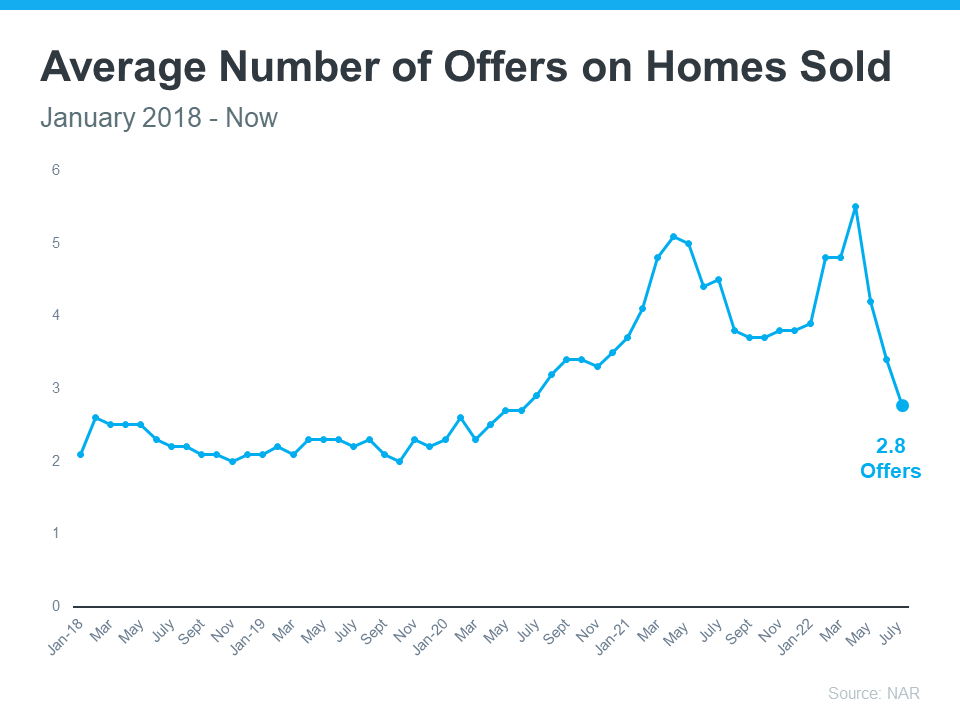
The graph shows homes were seeing a high of around five offers earlier this year. But the latest data shows that average was down to just shy of three offers per recently sold home. This shift is happening largely because rising mortgage rates moderated buyer demand and slowed home sales, resulting in a growing supply of homes and condos on the market. Essentially, more choices for buyers.
What This Means for You
If you put your condo search on pause because you were outbid last year or because you didn’t want to deal with the peak intensity of bidding wars, you can breathe a welcome sigh of relief. While it’s still a sellers’ market, an uptick in inventory gives you a window of opportunity to jump back in. You may still be competing with some buyers, but it likely won’t be anything like it was just a few short months ago.
Bottom Line
If you put your plans on pause because of intense bidding wars in recent years, it may be time to kick off your home search. Today, bidding wars are easing and that may mean less competition for you as a buyer. If you’re serious about buying a condo or home or making a move, let’s connect to get started today. 734-761-3060 or info@condohotline.com
How To Approach Rising Mortgage Rates as a Buyer

In the last few weeks, the average 30-year fixed mortgage rate from Freddie Mac inched up to 5%. While that news may have you questioning the timing of your condo or home search, the truth is, timing has never been more important. Even though you may be tempted to put your plans on hold in hopes that rates will fall, waiting will only cost you more. Mortgage rates are forecast to continue rising in the year ahead.
If you’re thinking of buying a condo or home, here are a few things to keep in mind so you can succeed even as mortgage rates rise.
How Rising Mortgage Rates Impact You
Mortgage rates play a significant role in your condo or home search. As rates go up, they impact how much you’ll pay in your monthly mortgage payment, which directly affects how much you can comfortably afford. Here’s an example of how even a quarter-point increase can have a big impact on your monthly payment (see chart below):
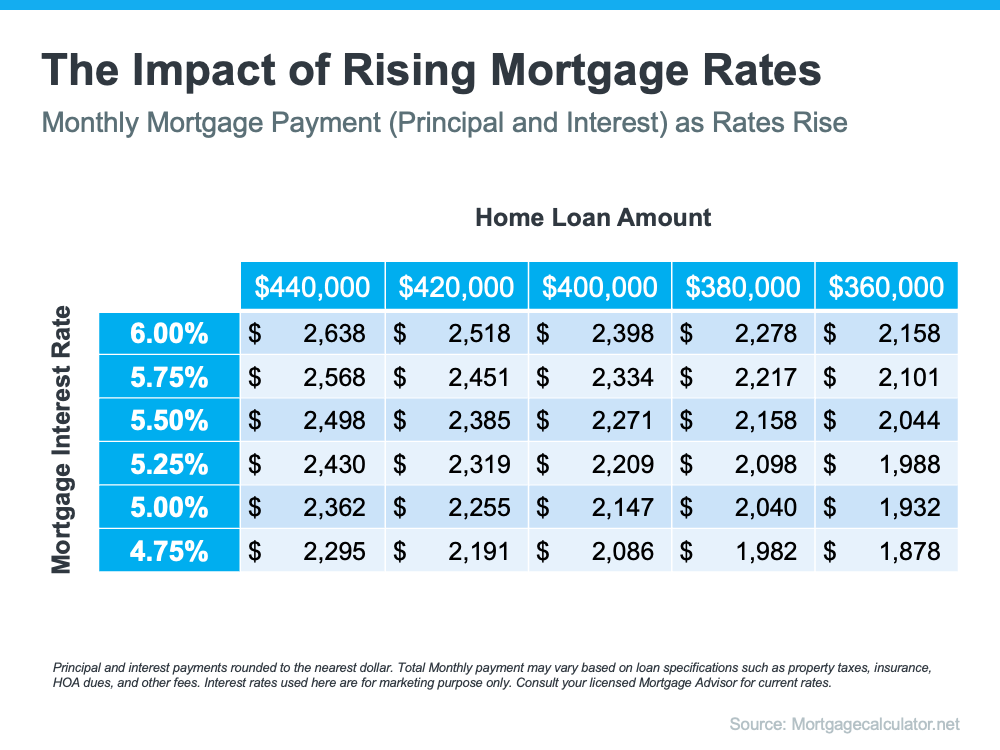
With mortgage rates on the rise, you’ve likely seen your purchasing power impacted already. Instead of delaying your plans, today’s rates should motivate you to purchase now before rates increase more. Use that motivation to energize your search and plan your next steps accordingly.
The best way to prepare is to work with a trusted real estate advisor now. An agent can connect you with a trusted lender, help you adjust your search based on your budget, and make sure you’re ready to act quickly when it’s time to make an offer.
Bottom Line
Serious buyers should approach rising rates as a motivating factor to buy sooner, not a reason to wait. Waiting will cost you more in the long run. Let’s connect today so you can better understand your budget and be prepared to buy your condo or home even before rates climb higher. Contact us at 734-761-3060 or info@condohotline today!
Is It Enough To Offer Asking Price in Today’s Housing Market?

If you’re planning to buy a home or condo this season, you’re probably thinking about what you’ll need to do to get your offer accepted. In previous years, it was common for buyers to try and determine how much less than the asking price they could offer to still get the property. The buyer and seller would then negotiate and typically agree on a revised price that was somewhere between the buyer’s bid and the home’s initial asking price.
In today’s real estate market, buyers shouldn’t shop for a home with the same expectations.
Things Are Different Today
Today’s housing market is anything but normal. According to the National Association of Realtors (NAR), the average property that’s sold today:
- Receives 4.8 offers
- Sells in just 17 days
Homes and condos selling quickly and receiving multiple offers show how competitive the market is for buyers right now. This is because there are more buyers on the market than properties for sale. When the number of homes available can’t keep up with demand, they often sell for more than the asking price.
How Does This Impact You When It’s Time To Submit an Offer?
Market conditions should help guide your decisions throughout the process. Today, the asking price is often the floor of the negotiation rather than the ceiling. Knowing this is important when it’s time to submit an offer, but you should also use that information as you’re searching too. After all, you don’t want to fall in love with a condo or home that ultimately sells for a price higher than what you’ve budgeted for.
The Mortgage Reports has advice if you’re looking to purchase a home or condo in a competitive market. The article encourages you to be realistic with your housing search, saying:
“The best thing to do is set your budget and expectations ahead of time so you know how much you can afford to offer — and when to walk away. This will make negotiations a lot easier.”
Of course, when you’ve found your dream home, you’ll want to do everything you can to submit your best offer upfront and win a potential bidding war. Knowing the current market is key to crafting a winning offer. That’s where working with an expert real estate advisor becomes critical.
A real estate professional will draw from their experience and expert-level knowledge of today’s housing market throughout the process. They’ll also balance conditions in your area to make sure your offer stands out above the rest.
Bottom Line
Understanding how to approach the asking price of a condo or home and what’s happening in today’s real estate market are critical for buyers. Let’s connect so we can work together to create a winning plan for you. Contact us today at 734-761-3060 or info@condohotline.com!
More Young People Are Buying Condos and Homes

There’s a common misconception that younger generations aren’t interested in homeownership. Many people point to the fact that millennials put off purchasing their first home as a reason for this belief.
Odeta Kushi, Deputy Chief Economist for First American, explains why millennials have put off certain milestones linked to homeownership. Those delays led to their homeownership rates trailing slightly behind older generations:
“Historically, millennials have delayed the critical lifestyle choices often linked to buying a first home, including getting married and having children, in order to further their education. This is clear in cross-generational comparisons of homeownership rates which show millennials lagging their generational predecessors.”
So, it’s partially true that some millennials have waited on homeownership to focus on other things in their lives – and that’s impacting certain housing market trends.
Data from the National Association of Realtors (NAR) indicates the average age of a first-time homebuyer is higher today than it’s been over the past 40 years. As the graph below shows, homebuyers today are purchasing their first home an average of 4 years later than people in the 1980s and early 1990s: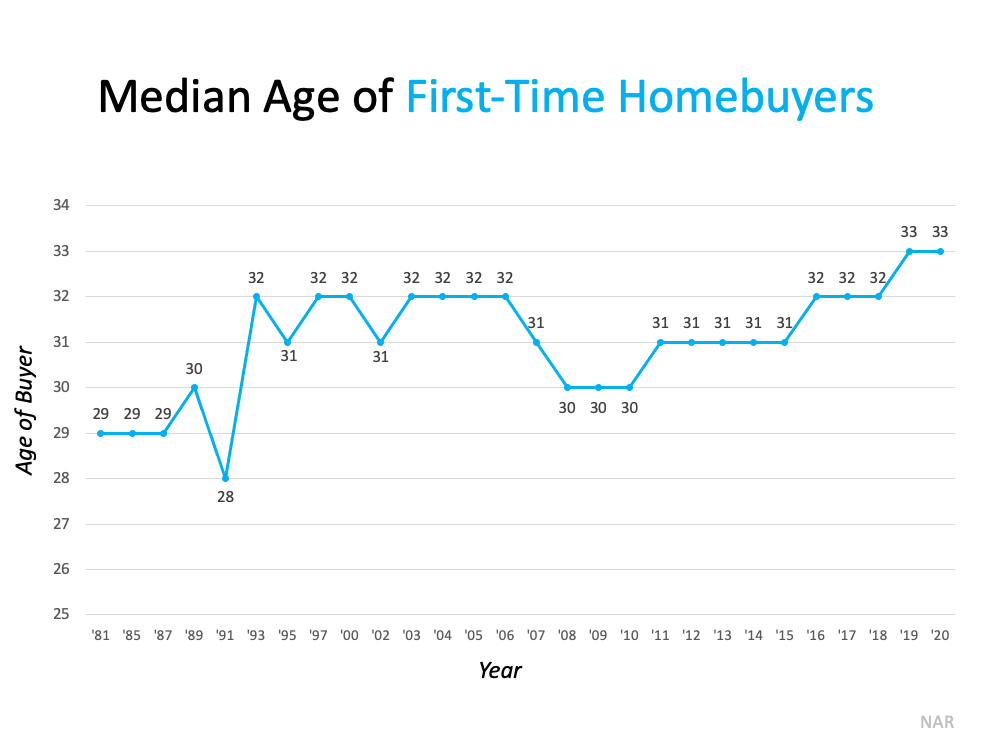
But just because millennials are hitting certain milestones later in life doesn’t mean they’re not interested in becoming homeowners. The recent U.S. Census reveals a significant increase in homeownership rates for millennials and other young homebuyers.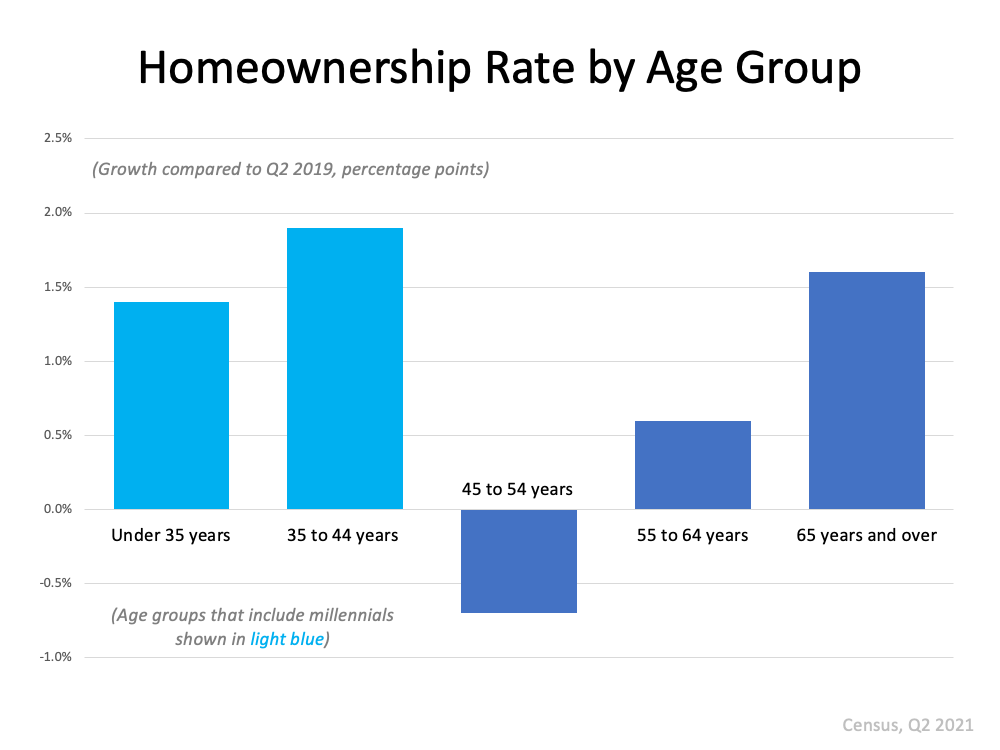
As the graph above shows, millennials are entering the market in full force, and their share of the market is growing. Based on the data, the belief that younger generations don’t want to buy homes is a misconception. In fact, the recent Capital Market Outlook report from Merrill-Lynch further drives home this point, as it specifically mentions the effect millennials are having on demand:
“Demand is very strong because the biggest demographic cohort in history is moving through the household-formation and peak home-buying stages of its life cycle.”
Kushi is following the trend of millennial homeownership and puts it more simply, saying:
“. . . it’s clear that younger households (millennials!) are driving homeownership growth.”
As the largest generation, millennials’ impact on the market is growing as more and more people from that generation reach homebuying age – and Generation Z isn’t far behind, either. That means younger generations will likely continue to drive demand in the housing market for years to come.
Bottom Line
If you’re a member of a younger generation and interested in purchasing a home, you’re not alone. Many of your peers are on their path to homeownership, too. Let’s connect today and discuss what you can do to accomplish your homebuying goals. 734-761-3060 or info@condohotline.com
How Much Do You Need for Your Down Payment?
As you set out on your home or condo buying journey, you likely have a plan in place, and you’re working on saving for your purchase. But do you know how much you actually need for your down payment?
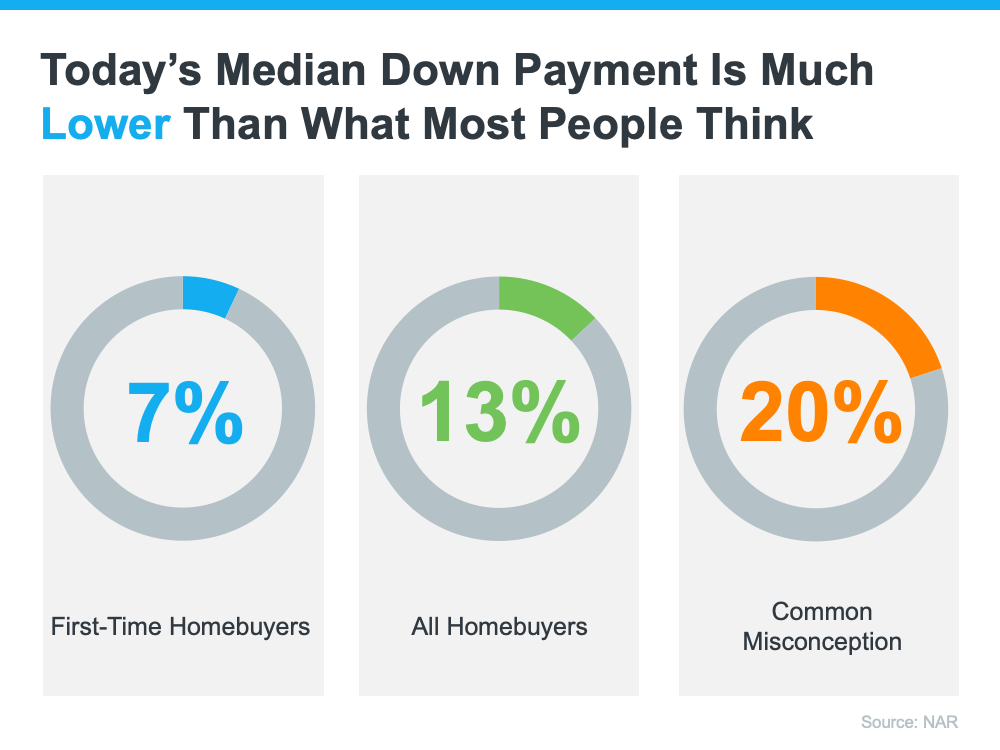
If you think you have to put 20% down, you may have set your goal based on a common misconception. Freddie Mac says:
“The most damaging down payment myth—since it stops the homebuying process before it can start—is the belief that 20% is necessary.”
Unless specified by your loan type or lender, it’s typically not required to put 20% down. According to the Profile of Home Buyers and Sellers from the National Association of Realtors (NAR), the median down payment hasn’t been over 20% since 2005. It may sound surprising, but today, that number is only 13%. And it’s even lower for first-time homebuyers, whose median down payment is only 7% (see graph below):
What Does This Mean for You?
While a down payment of 20% or more does have benefits, the typical buyer is putting far less down. That’s good news for you because it means you could be closer to your home or condo buying dream than you realize.
If you’re interested in learning more about low down payment options, there are several places to go. There are programs for qualified buyers with down payments as low as 3.5%. There are also options like VA loans and USDA loans with no down payment requirements for qualified applicants.
To understand your options, you need to do your homework. If you’re interested in learning more about down payment assistance programs, information is available through sites like downpaymentresource.com. Be sure to also work with a real estate advisor from the start to learn what you may qualify for in the homebuying process.
Bottom Line
Remember: a 20% down payment isn’t always required. If you want to purchase a condo this year, let’s connect to start the conversation and explore your down payment options. Contact us today at 734-761-3060 or info@condohotline.com, we’re here to help!
What Do Supply and Demand Tell Us About Today’s Housing Market?

There’s a well-known economic theory – the law of supply and demand – that explains what’s happening with prices in the current real estate market. Put simply, when demand for an item is high, prices rise. When the supply of the item increases, prices fall. Of course, when demand is very high and supply is very low, prices can rise significantly.
Understanding the impact both supply and demand have can provide the answers to a few popular questions about today’s housing market:
- Why are prices rising?
- Where are prices headed?
- What does this mean for homebuyers?
Why Are Prices Rising?
According to the latest Home Price Insights report from CoreLogic, condo and home prices have risen 18.1% since this time last year. But what’s driving the increase?
Recent buyer and seller activity data from the National Association of Realtors (NAR) helps answer that question. When we take NAR’s buyer activity data and compare it to the seller traffic during the same timeframe, we can see buyer demand continues to outpace seller activity by a wide margin. In other words, the demand for homes is significantly greater than the current supply that’s available to buy (see maps below):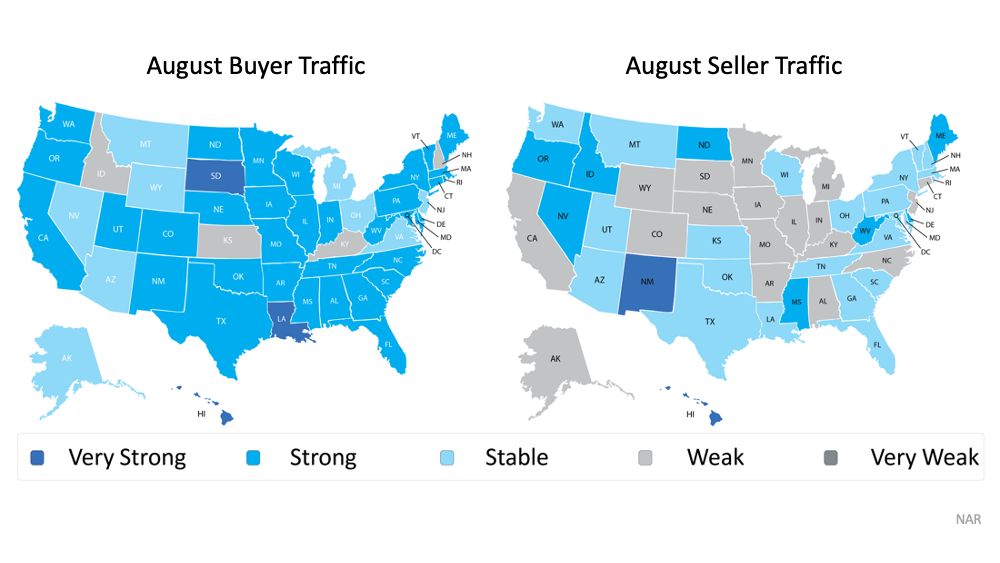 This combination of low supply and high demand is what’s driving condo and home prices up. Bill McBride, author of the Calculated Risk blog, puts it best, saying:
“By some measures, house prices seem high, but the recent price increases make sense from a supply and demand perspective.”
Where Are Prices Headed?
The supply of condos and homes for sale will greatly affect where prices head over the coming months. Many experts forecast prices will continue to increase, but they’ll likely appreciate at a slower rate.
Buyers hoping to purchase the home of their dreams may see this as welcome news. In this case, perspective is important: a slight moderation of prices does not mean prices will depreciate or fall. Price increases may occur at a slower pace, but experts still expect them to rise.
Five major entities that closely follow the real estate market forecast home prices will continue appreciating through 2022 (see graph below):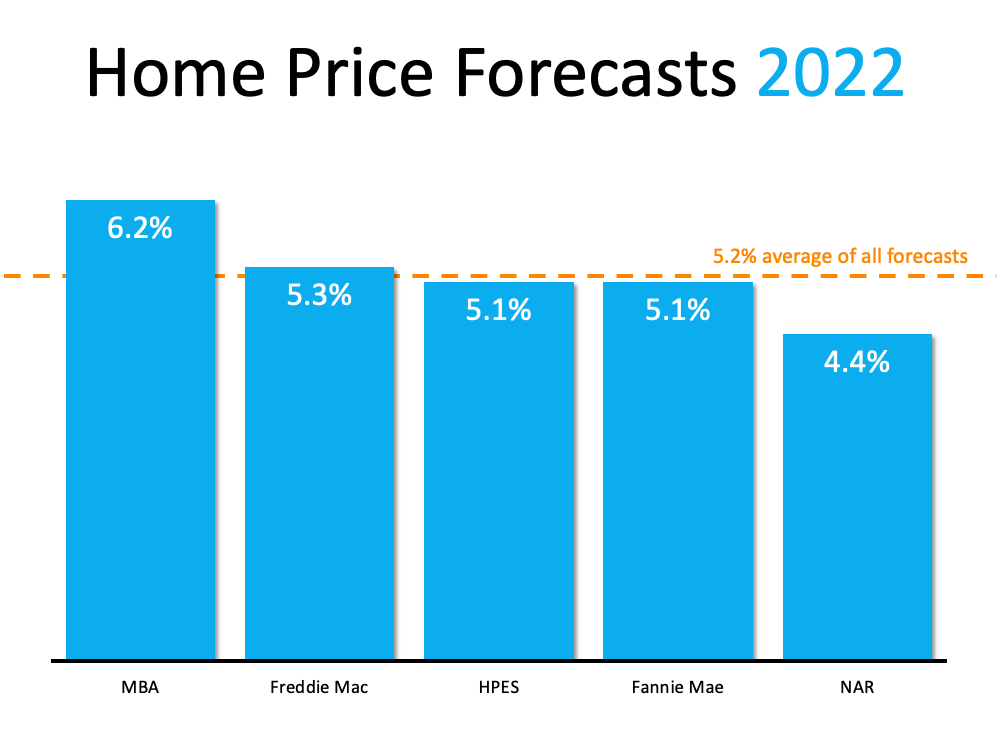
What Does This Mean for Buyers?
If you’re waiting to enter the market because you’re expecting prices to drop, you may end up paying more in the long run. Even if price increases occur at a slower rate next year, prices are still projected to rise. That means the home of your dreams will likely cost even more in 2022.
Bottom Line
The truth is, high demand and low supply are what’s driving up condo and home prices in today’s housing market. And while prices may increase at a slower pace in the coming months, experts still expect them to rise. If you’re a potential homebuyer, let’s connect today to discuss what that could mean for you if you wait even longer to buy.
Condo Buying Terminology: A Cheat Sheet
Buying a condo or home shouldn’t be rocket science. You find the perfect place, make an offer to the seller, pay a couple of fees, and bam! You just bought a home.
However, buying a condo actually has a lot of moving parts which include a number of funny real estate terms you’ve probably never heard before. Are Realtors and real estate agents even speaking English anymore?
To help you out, we’ve come up with a cheat sheet so you’ll know exactly what we are talking about when we explain the buying process.
Pre-Approval

If you meet with an agent before you begin looking for condos, they’ll likely recommend you get pre-approved for a mortgage. Mortgage pre-approval is the best first step, because it essentially sets your budget for you.
Pre-approval involves sitting down with a lender to discuss your financial portfolio. This includes your credit score, borrowing history, outstanding debts, annual income, and any assets you have. After reviewing all of this, the lender gives you an exact number: that’s how much the bank is willing to lend you.
Not only is your budget set, sellers will take you more seriously because they know you can qualify for enough loan to support your offer. (more…)
Mortgage 101: What To Know Before You Apply
Everybody loves talking about mortgages. They’re fun, easy to understand, and a great icebreaker, right?….Wrong. Thanks to their lengthy process, technical jargon, and confusing options, mortgages have a bit of an intimidating reputation—but it doesn’t have to be that way!
If you’re in the process of buying a new condo and dreading the mortgage application process, here’s what you need to know to keep things running smoothly.
Know How Much You Can Spend

If you’re feeling antsy about getting started and want a general idea of how much loan you might qualify for, consider the 28/36 rule, or the Debt-to-Income ratio—AKA what most lenders use to help calculate your mortgage.
Essentially, the 28/36 rule means that your monthly mortgage payment shouldn’t be more than 28% of your gross income. Additionally, your outstanding debts—like mortgage, car loans, student loans—shouldn’t account for more than 36% of your gross income.
Get Your Finances in Order

Not seeing the numbers you were hoping for after calculating your Debt-to-Income ratio? Then, hopefully, you’ve given yourself a little time to shift things in your favor. Paying off loans, improving your credit score, avoiding big purchases—these will all help you change those numbers.
Of course, completing those tasks is a little harder to do in practice than in theory, so you may have to take a look at your budget and see where you can cut out some extras—at least temporarily!
What You’ll Need to Apply

In the weeks before you plan on applying for a mortgage, you should start collecting all of the documents you need. Since a lender will be telling you exactly how much money they’re willing to loan, they’ll need a comprehensive understanding of your finances beforehand. Start gathering things like:
- W2s/tax returns
- Photo ID
- Your two most recent pay stubs
- Current and prior addresses
- Asset information (retirement funds, 401(k), stocks and bonds, other investments)
- Gift letters
Depending on the lender you choose, you may need additional documents, so consider calling in to double-check beforehand.
Find the Right Mortgage

Once it’s time to start thinking more concretely about applying for a mortgage, you have several options to consider. While all the mortgage options out there could easily fill a whole blog post on their own, here’s a quick rundown to give you a general idea:
- Conventional/Fixed-rate: The interest rate of a fixed-rate loan won’t change over time, making it a popular choice for its predictability. Conventional loans typically require a 20% down payment or mortgage insurance for smaller down payments.
- Adjustable-rate: The interest rate of adjustable-rate mortgage will fluctuate over time, sometimes lower than fixed-rate, sometimes higher. There is a cap in place so the rate doesn’t get too out of control, but ARMs are typically more popular with those who plan to refinance.
- FHA: If you are struggling to come up with a down payment, you may have options with an FHA mortgage. Provided by the Federal Housing Administration, these loans come with a low down payment requirement and built-in mortgage insurance.
- USDA: Live in a rural area? Then check out your USDA eligibility! A surprising amount of areas qualify for USDA loans, even if you aren’t living in the countryside. Plus, USDA loans don’t require a down payment and offer lower insurance premiums.
These aren’t the only options you’ll have, just the most common. If none of these sound right or you aren’t sure which to choose, just ask your lender!
Choose the Right Lender
When it comes time to decide who to work with, you’ll have to do your research. Each lender is different, meaning they’ll likely offer you different rates, charges, and loan options.
Luckily, we’ve been working in real estate around the area for years, so we know exactly which lenders are right for which buyers. If you need a few suggestions before you kick off your search, just let us know!
Still Have Questions?
That’s okay—we get it. Applying for mortgage is confusing and challenging, especially if it’s your first time. If you have any questions about the process, we’re here to help, give us a call at The Bouma Group, Realtors at 734-761-3060 or info@condohotline.com.
Ready to start looking at a few homes in your price range? We can help with that, too! Check out our specialized search tool to narrow down your options, and give us a call to start seeing a few in person! Start your Search here!
4 Tips for Making a Competitive Offer

So, you’ve been searching for that perfect place to call ‘home,’ and you’ve finally found it! The price is right and in such a competitive market you want to make sure you make a good offer so that you can guarantee that your dream of making this condo yours comes true!
Below are 4 steps provided by Freddie Mac to help buyers make offers, along with some additional information for your consideration:
1. Determine Your Price
“You’ve found the perfect condo and you’re ready to buy. Now what? Your real estate agent will be by your side, helping you determine an offer price that is fair.”
Based on your agent’s experience and key considerations (like similar condos recently sold in the same area or the condition of the condo and what you can afford), your agent will help you to determine the offer that you are going to present.
Getting pre-approved will not only show the sellers that you are serious about buying, but it will also allow you to make your offer with confidence because you’ll know that you have already been approved for a mortgage in that amount.
2. Submit an Offer
“Once you’ve determined your price, your agent will draw up an offer, or purchase agreement, to submit to the seller’s real estate agent. This offer will include the purchase price and terms and conditions of the purchase.”
Talk with your agent to find out if there are any ways in which you can make your offer stand out in this competitive market! A licensed real estate agent who is active in the complexes you are considering will be instrumental in helping you put in a solid offer.
3. Negotiate the Offer
“Oftentimes, the seller will counter the offer, typically asking for a higher purchase price or to adjust the closing date. In these cases, the seller’s agent will submit a counteroffer to your agent, detailing their desired changes, at this time, you can either accept the offer or decide if you want to counter.
Each time changes are made through a counteroffer, you or the seller have the option to accept, reject or counter it again. The contract is considered final when both parties sign the written offer.”
If your offer is approved, Freddie Mac urges you to “always get an independent home inspection, so you know the true condition of the unit.” If the inspector uncovers undisclosed problems or issues, you can discuss any repairs that may need to be made with the seller or even cancel the contract altogether.
4. Act Fast
The inventory of condos listed for sale has remained well below the 6-month supply that is needed for a ‘normal’ market. Buyer demand has continued to outpace the supply of homes for sale, causing buyers to compete with each other for their dream homes.
Make sure that as soon as you decide that you want to make an offer, you work with your agent to present it as quickly as possible.
Bottom Line
Whether buying your first home or condo or your fifth, having a local real estate professional who is an expert in his or her market on your side is your best bet in making sure the process goes smoothly. Let’s talk about how we can make your dream of home ownership a reality! We are the Ann Arbor Condo specialists, give us a call today at 734-761-3060 or info@condohotline.com.


