
What Is Pop-Up Tax? A Guide for Homebuyers in Ann Arbor
A Buyer’s Guide to Pop-up Tax
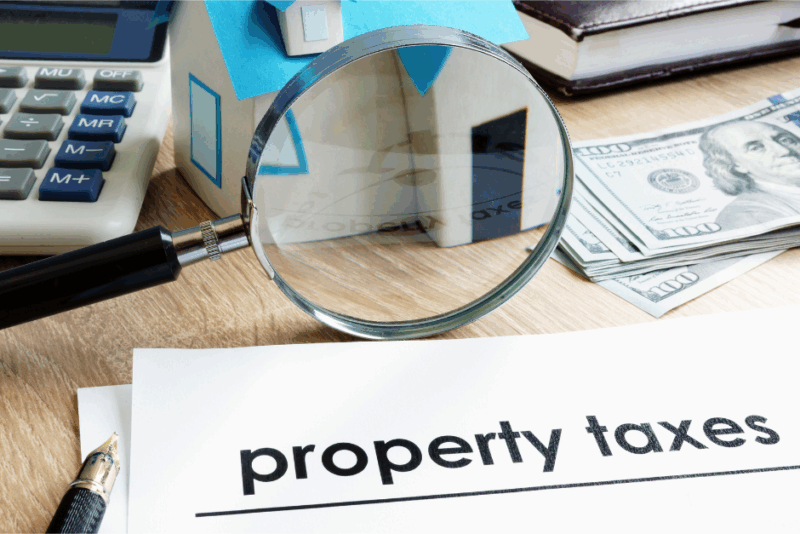
When buying a home or condo in Ann Arbor, there’s a term that often catches homebuyers, particularly first-time buyers, off guard: the pop-up tax. This little-known factor can have a significant impact on your property tax bill after closing. But what is it, exactly, and how does it work? More importantly, how can you prepare for it?
This guide will explain the concept of pop-up tax, clarify how it affects your property taxes, and provide tips for navigating this cost so you can approach your home purchase with confidence.
What Is Pop-Up Tax?
The pop-up tax is a term used to describe the increase in property tax assessments that occurs when a property changes ownership. Under Michigan law, the taxable value of a home or condo—used to calculate property taxes—remains capped while the same owner holds the title. This means the property taxes typically increase only slightly each year due to limits set by the state.
However, when a property is sold, this cap is removed, and the taxable value is “uncapped,” triggering a reassessment. The property’s taxable value is reset to match its state equalized value (SEV), which is typically about 50% of the property’s market value. This reassessment can result in a significant jump in property taxes, hence the colloquial name “pop-up tax.”
For example, if the previous homeowner’s taxable value was $125,000 but the state equalized value after the sale is $200,000, your taxable value as the new owner will “pop up” to the higher figure. Consequently, your property tax bill will also spike.
How Does the Pop-Up Tax Work?
To understand the pop-up tax in practice, it’s essential to differentiate between two figures:
- Taxable Value – This is the value used to calculate your property taxes. For continuing homeowners, it increases annually at the rate of inflation or 5%, whichever is lower, thanks to Michigan’s property tax cap (Proposal A).
- State Equalized Value (SEV) – This is an estimate of 50% of your home’s market value, determined by local assessors. SEV fluctuates with the property’s appraised market value.
When a property changes hands, the taxable value is uncapped and reset to the SEV. Property taxes are then recalculated based on the new taxable value. Depending on how long the previous owner held the property—and how dramatically property values have risen in the area—the difference between the old and new taxable value can be substantial.
Example Scenario:
Imagine you’re buying a condo in Ann Arbor:
- The seller purchased the property 15 years ago for $150,000. Over time, with Michigan’s tax cap, their taxable value crept up to $100,000.
- You’re purchasing the condo today for $300,000. The SEV would be half of that, or $150,000. Now that the taxable value is uncapped, it will rise to $150,000.
- If the local property tax rate is 2%, your annual taxes increase from $2,000 (2% of $100,000) to $3,000 (2% of $150,000), meaning you’re paying $1,000 more each year.
The key takeaway here? Even if the previous owner’s property taxes seemed affordable, they may not reflect what you’ll pay after buying the home.
What Makes Ann Arbor Unique?
Ann Arbor’s dynamic real estate market plays a big role in the impact of pop-up taxes. With a mix of high-demand areas and steadily increasing property values, SEVs (and consequently property taxes) can rise dramatically over time. Homes owned for many years may have taxable values well below their market values, leading to a more significant adjustment when ownership changes.
It’s also worth noting that millage rates—or local tax rates—add to this. Ann Arbor has a variety of millages supporting schools, parks, and local services that contribute to the city’s thriving community but also increase property tax obligations compared to surrounding areas.
For new homeowners, this means it’s especially important to account for the potential tax adjustment when determining your budget.
How Can Buyers Prepare for the Pop-Up Tax?
Understanding and planning for the pop-up tax can save you from unwelcome surprises after closing. Here are some practical tips:
1. Estimate Your Adjusted Property Taxes
Before committing to a purchase, use the home’s SEV to estimate what your property taxes will look like after the sale. The easiest way to find this value is through the local assessor’s website or by contacting their office directly. Multiply the SEV by two to approximate the home’s market value, then apply the local millage rate to calculate your potential tax bill.
2. Use Online Tax Estimation Tools
Many municipalities, including those in Washtenaw County, provide online property tax calculators. These tools can help you determine your estimated tax liability based on the property’s sale price and applicable millages.
3. Talk to Your Realtor
Working with an experienced realtor in Ann Arbor ensures you’re not navigating these complexities alone. A local real estate agent can provide detailed tax insights for specific neighborhoods and recent properties they’ve sold.
4. Include Taxes in Your Budget
When calculating your monthly housing costs, be sure to include the adjusted property tax estimate along with mortgage payments, homeowners’ insurance, utilities, and association dues (if applicable). This full financial picture will prevent you from overextending your budget.
5. Appeal Your SEV if Necessary
If you believe the assessor overestimates your property’s market value after the sale, you have the right to appeal the new SEV. Consult the city or county guidelines for filing an appeal, and be prepared to submit supporting documentation.
Resources for Ann Arbor Homebuyers
Navigating property taxes can be daunting, but there are plenty of resources available to help:
- City of Ann Arbor Assessor’s Office – Provides property records, tax rates, and guidance for tax-related questions.
- Washtenaw County Website – Offers access to property tax calculators and assessor information.
- Michigan State Tax Commission – Publishes detailed guides on property taxes, SEVs, and appeals processes.
- Local Realtors – Many agents specialize in helping buyers understand pop-up taxes and other costs unique to the area.
Additionally, consider attending local homebuyer workshops or consulting with a real estate attorney for a deeper understanding of the process.
Final Thoughts
The pop-up tax may not sound like the most exciting part of buying a home or condo in Ann Arbor, but it’s a critical factor to plan for. By understanding how it works, estimating your property taxes, and leveraging the right resources, you can avoid any financial shocks and confidently take the next step in your homebuying journey.
Remember, buying a property is not just a financial investment—it’s a personal milestone. Preparing for the pop-up tax ensures that this moment remains as exciting and stress-free as possible. To learn more about the home buying journey and to start your, contact us at The Bouma Group today at 734-761-3060 or info@condohotline.com.
Saving up for a New Home or Condo? Here Are All the Costs You Need to Know
Once you’ve found the perfect home or condo and secured the loan, all that’s left to do is start chipping away at those mortgage payments…right? In actuality, there are a handful of other, often-overlooked expenses that come with buying a home, but as long as you know what you’re getting into, they’re plenty manageable.
Take a look at our comprehensive list of all the costs you need to know when buying a home or condo.
One-Time Payments & Closing Cost
Saving up for a New Home or Condo? Here Are All the Costs You Need to Know
Once you’ve found the perfect home or condo and secured the loan, all that’s left to do is start chipping away at those mortgage payments…right? In actuality, there are a handful of other, often-overlooked expenses that come with buying, but as long as you know what you’re getting into, they’re plenty manageable.
Take a look at our comprehensive list of all the costs of buying a home or condo.
One-Time Payments & Closing Costs

Closing Costs
For buyers, closing costs are typically low and range from 2-5% of your purchase price. A lot of these costs are one-time expenses, and totals can vary from state-to-state.
If you want a better idea of what closing costs could be for you, check out this helpful guide on the average payments for each state.
Miscellaneous Fees
There are quite a bit of one-time fees bundled into your closing costs, but most of them are pretty inexpensive. Some of the most common expenses include the home inspection, appraisal, credit report, deed recording, land survey, notary fees, title insurance, and document prep fees.
Recurring Payments

Mortgage Payments
Mortgage payments are the most obvious cost when buying a home. These are your predictable, monthly payments decided by both the final price of your home and your down payment—in addition to a few other bundled costs. A larger down payment means a smaller mortgage payment, and it’s a good idea to pay this off quickly, since it will accumulate interest.
Property Taxes
Property tax payments don’t go towards just one thing—they actually cover quite a bit, like road construction, community maintenance, public works, and local government salaries. The exact amount you’ll pay in property tax is calculated by the county based on your home’s value, and the rates tend to rise and fall over time. Many buyers pay their property taxes through an escrow account set up by the lender.
Homeowner’s Insurance
It’s better to have insurance and not need it than need insurance and not have it, so homeowner’s insurance is pretty crucial to home owning. While it’s almost always required when you get a mortgage and then bundled into your monthly payments, be sure to double-check that you’re covered.
Private Mortgage Insurance
If you can’t afford a 20% down payment on your home, you’ll have to pay PMI as a way to ensure that the lender won’t go under if you default on your loan. You don’t have to pay PMI forever—it ends once you pay off 78% or more of the principal amount—but until then, expect to pay up to 2% of your loan amount annually.
HOA Fees
Moving to a neighborhood with an HOA? Your dues can range anywhere from under a hundred dollars to over a thousand, but they come with perks like landscaping and exterior maintenance, and some even include added benefits like swimming pools and fitness centers. Not all neighborhoods have an HOA, but your agent can tell you what your payments will be if yours does.
Utilities
Lastly, utility fees can come as a surprise to new homeowners who are used to renting. Depending on the size of your home, you can expect to pay a few hundred dollars per month for water, electricity, heating and cooling, and trash services. If you’re curious what your utility bills might look like, just ask your agent, and they can likely secure a few statements from the past owners.
Ready to Make an Offer?

When it comes to buying a home, the most important thing you can do is be prepared. While there are a handful of costs to keep in mind, the satisfaction of calling a place your own is well-worth it in the end.
Are you ready to get started on your home-buying journey? With years of professional and local experience, our condo professionals at The Bouma Group knows all about navigating the expenses that come with buying. Give us a call today at 734-761-3060 or info@condohotline.com to get a better idea of your costs, and let’s get started!