
3 Graphs To Show This Isn’t a Housing Bubble
With all the headlines and buzz in the media, some consumers believe the market is in a housing bubble. As the housing market shifts, you may be wondering what’ll happen next. It’s only natural for concerns to creep in that it could be a repeat of what took place in 2008. The good news is, there’s concrete data to show why this is nothing like the last time.
There’s a Shortage of Homes on the Market Today, Not a Surplus
The supply of inventory needed to sustain a normal real estate market is approximately six months. Anything more than that is an overabundance and will causes prices to depreciate. Anything less than that is a shortage and will lead to continued price appreciation.
For historical context, there were too many homes for sale during the housing crisis (many of which were short sales and foreclosures), and that caused prices to tumble. Today, supply is growing, but there’s still a shortage of inventory available.
The graph below uses data from the National Association of Realtors (NAR) to show how this time compares to the crash. Today, unsold inventory sits at just a 3.0-months supply at the current sales pace.
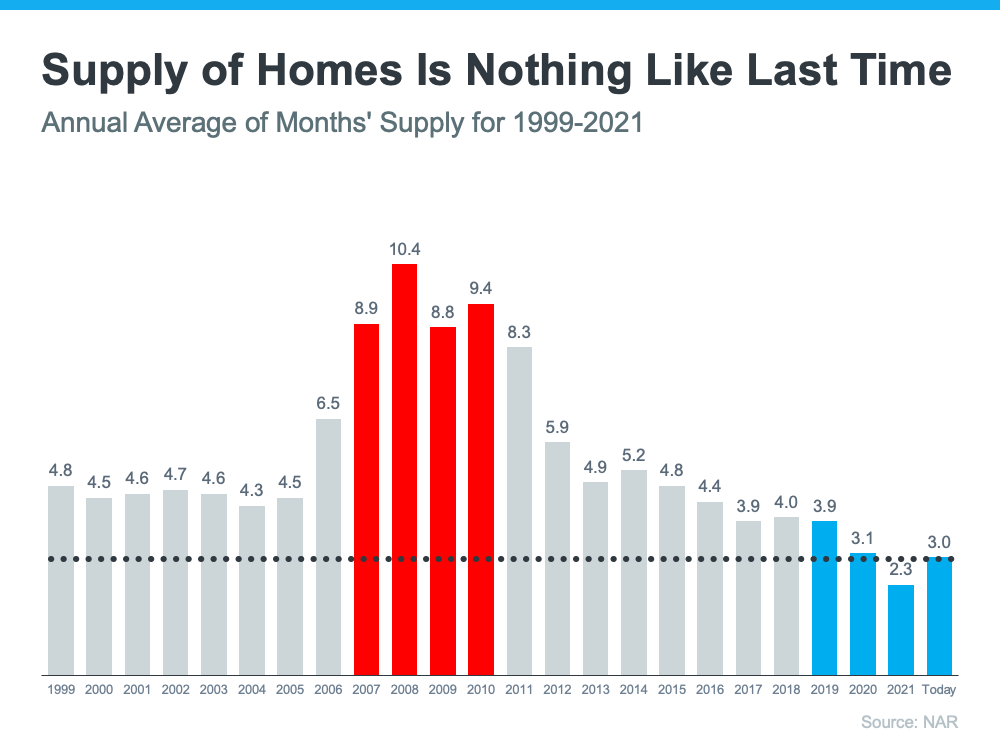
One of the reasons inventory is still low is because of sustained underbuilding. When you couple that with ongoing buyer demand as millennials age into their peak homebuying years, it continues to put upward pressure on home prices. That limited supply compared to buyer demand is why experts forecast home prices won’t fall this time.
Mortgage Standards Were Much More Relaxed During the Crash
During the lead-up to the housing crisis, it was much easier to get a home loan than it is today. The graph below showcases data on the Mortgage Credit Availability Index (MCAI) from the Mortgage Bankers Association (MBA). The higher the number, the easier it is to get a mortgage.
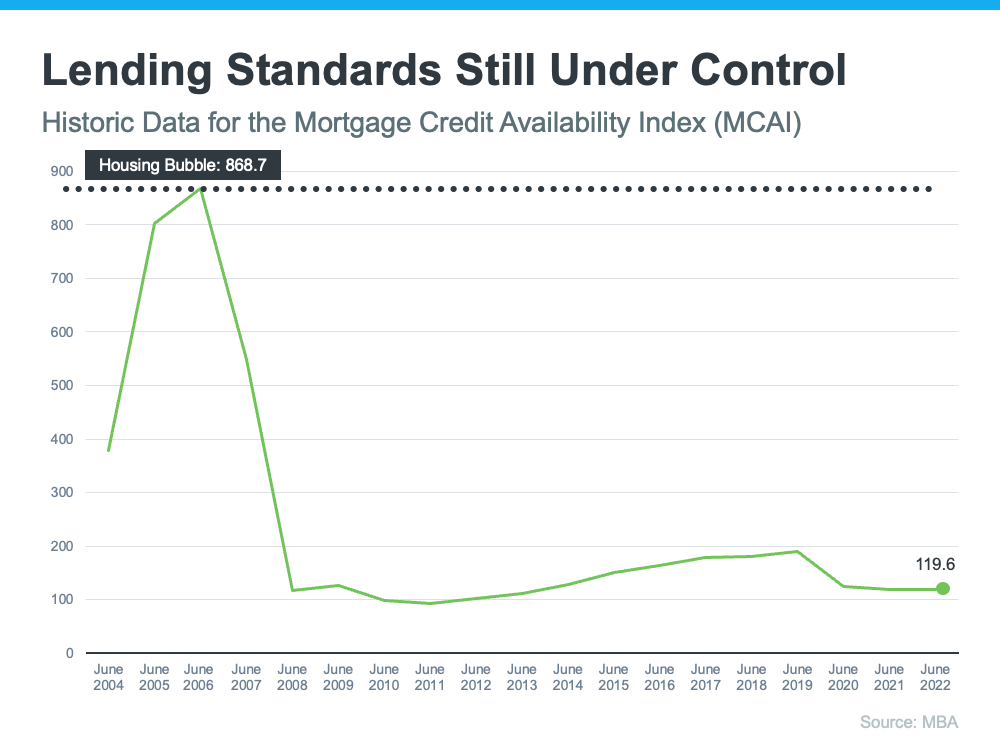
Running up to 2006, banks were creating artificial demand by lowering lending standards and making it easy for just about anyone to qualify for a home loan or refinance their current home. Back then, lending institutions took on much greater risk in both the person and the mortgage products offered. That led to mass defaults, foreclosures, and falling prices.
Today, things are different, and purchasers face much higher standards from mortgage companies. Mark Fleming, Chief Economist at First American, says:
“Credit standards tightened in recent months due to increasing economic uncertainty and monetary policy tightening.”
Stricter standards, like there are today, help prevent a risk of a rash of foreclosures like there was last time.
The Foreclosure Volume Is Nothing Like It Was During the Crash
The most obvious difference is the number of homeowners that were facing foreclosure after the housing bubble burst. Foreclosure activity has been on the way down since the crash because buyers today are more qualified and less likely to default on their loans. The graph below uses data from ATTOM Data Solutions to help tell the story:
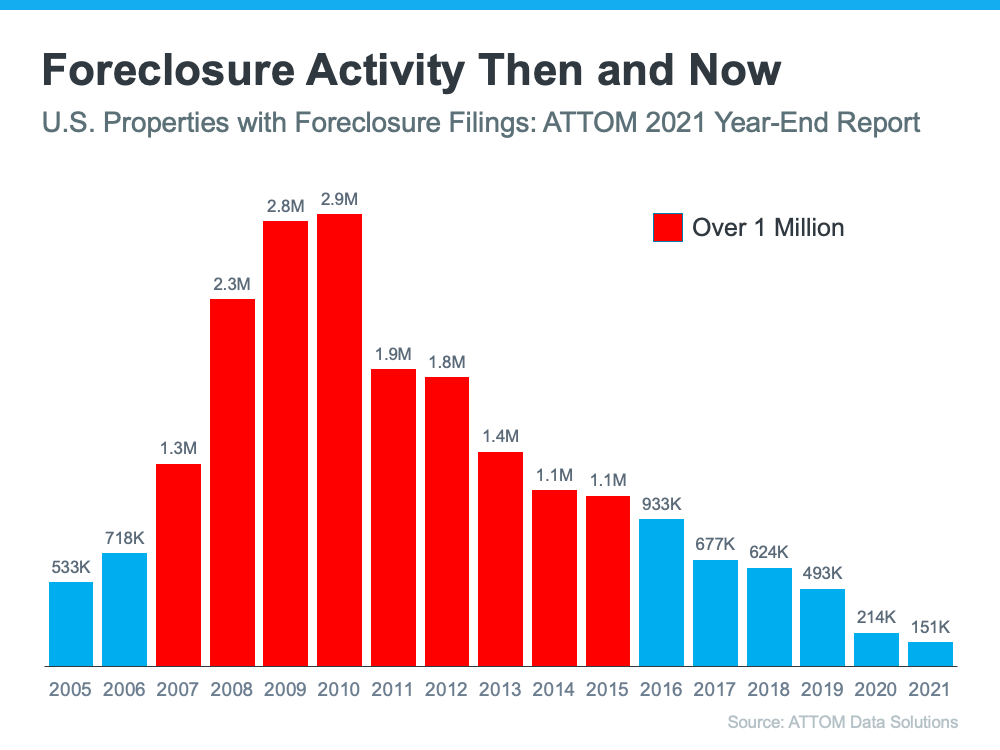
In addition, homeowners today are equity rich, not tapped out. In the run-up to the housing bubble, some homeowners were using their homes as personal ATMs. Many immediately withdrew their equity once it built up. When home values began to fall, some homeowners found themselves in a negative equity situation where the amount they owed on their mortgage was greater than the value of their home. Some of those households decided to walk away from their homes, and that led to a wave of distressed property listings (foreclosures and short sales), which sold at considerable discounts that lowered the value of other homes in the area.
Today, prices have risen nicely over the last few years, and that’s given homeowners an equity boost. According to Black Knight:
“In total, mortgage holders gained $2.8 trillion in tappable equity over the past 12 months – a 34% increase that equates to more than $207,000 in equity available per borrower. . . .”
With the average home equity now standing at $207,000, homeowners are in a completely different position this time.
Bottom Line
If you’re worried we’re making the same mistakes that led to the housing crash, the graphs above should help alleviate your concerns. Concrete data and expert insights clearly show why this is nothing like the last time. We study the real estate market every single day, so give us a call today at 734-761-3060 to talk about your particular condo or home buying or selling goals in today’s market at 734-761-3060 or email info@condohotline.com.
Looking for a Place To Call Home? Consider a Condominium.
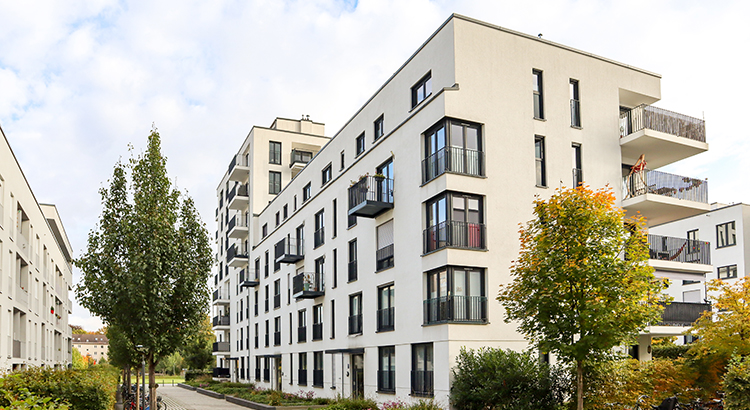
It’s no secret that one of the top stories in today’s real estate market is low housing supply and high buyer demand. If you’re a first-time buyer looking for a starter home or are someone who’s interested in downsizing, it may be worth considering a condominium (condo) as a worthwhile option.
In fact, trends indicate condos are gaining popularity among buyers. In the latest Existing Homes Sales Report from the National Association of Realtors (NAR), the data shows condo sales rising throughout the first half of this year (see graph below):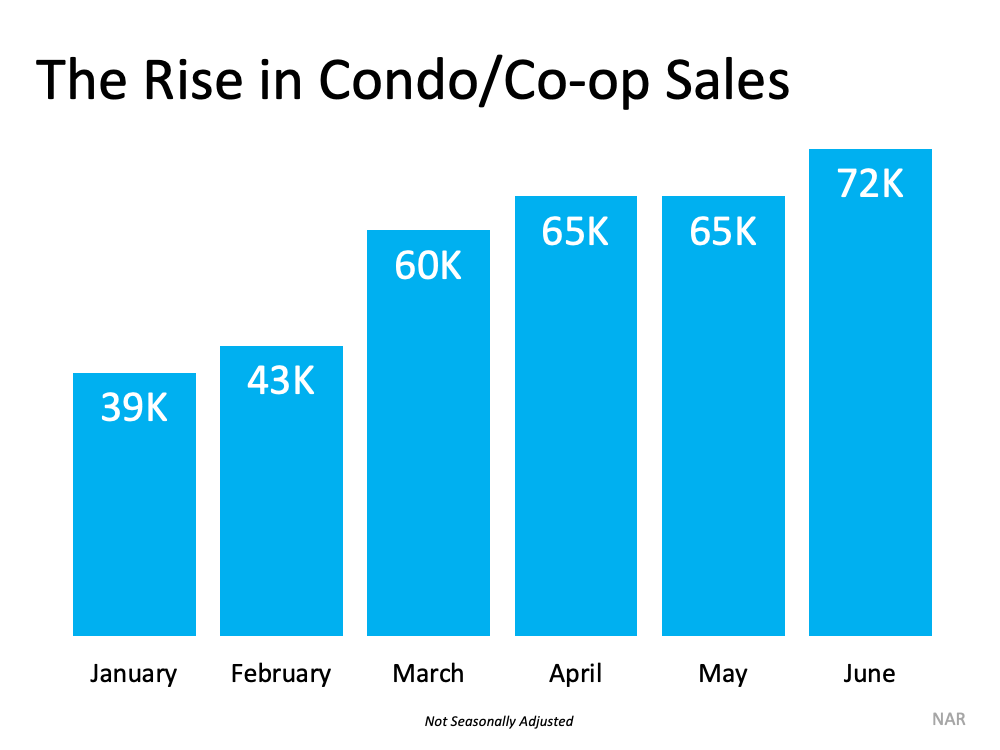
There are a few reasons more and more people are opting to buy condos – the benefits of condo life can be quite compelling. Let’s explore the main perks to find out if a condo is a good fit for you.
Affordability
According to the NAR report, the median sales price of a condo is roughly $59,000 less than the median price of a single-family detached home (see graph below). This makes condos a great option for first-time homebuyers, those with limited down payment savings, or those looking to save money by downsizing.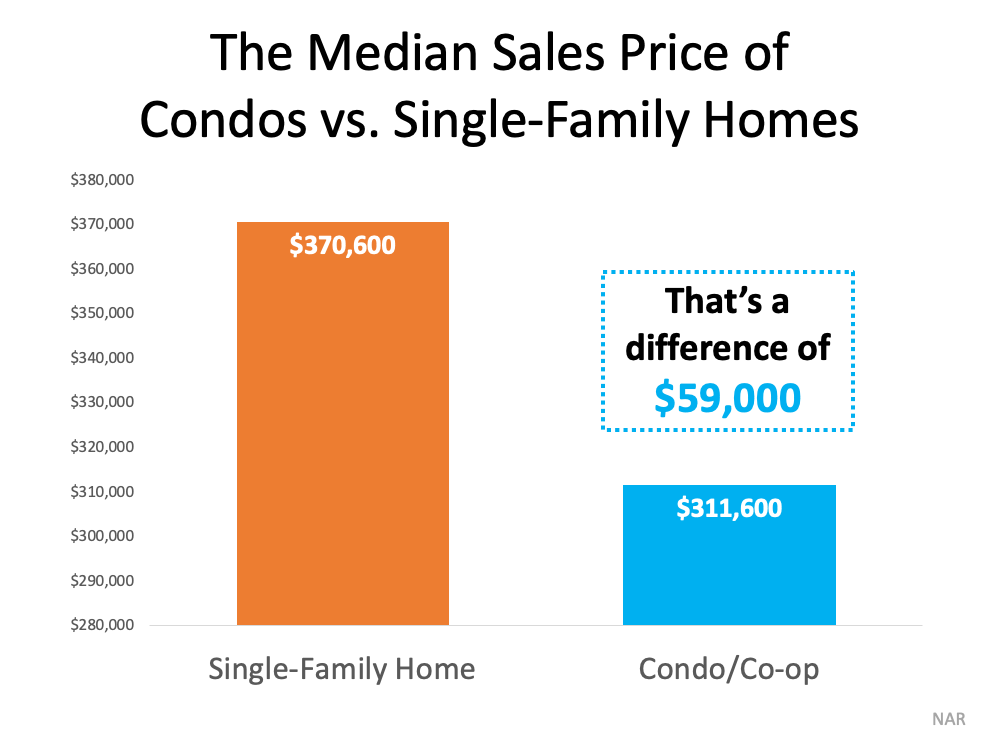
Maintenance
A recent article from BankRate adds low maintenance as another perk of a condo lifestyle. Generally, exterior maintenance for condos is handled by a Homeowner’s Association (HOA). This can include things like landscaping and upholding a certain standard of cleanliness and condition for walkways, siding, and roofs. If you’re looking for a lower-maintenance option or see the appeal in being hands-off with upkeep, condos may be a good choice for you. With exterior maintenance off your plate, you’ll have more time for yourself and your hobbies.
Amenities
You can use that free time to enjoy some of the value-adding features your condo community may have, which could include dog parks, pools, a rentable clubhouse and grilling area for events, and more. If being able to host or attend community social outings is important to you, condos may give you more opportunities to enjoy the company of your neighbors. As a bonus, some condos even have gyms and on-site security teams.
Ultimately, the choice is yours. Condos are great options that often come with various features and benefits that may be important for your lifestyle. Fannie Mae sums up the appeal nicely:
“Condominiums, or condos, can be great alternatives to detached homes. City dwellers, singles, couples, seniors, and many others may find condos that suit their needs and budgets. Others may simply prefer low-maintenance living. Buyers who feel ‘priced out’ of homes may discover condos offer an affordable homeownership alternative.”
Bottom Line
If you’re looking for a home, it may be time to consider a condo as an option. Let’s connect today at 734-761-3060 or info@condohotline.com to explore if one would be a good fit for your homeownership needs.
Is the Housing Market Correcting?

If you’re following the news, all of the headlines about conditions in the current housing market may leave you with more questions than answers. Is the boom over? Is the market crashing or correcting? Here’s what you need to know.
The housing market is moderating compared to the last two years, but what everyone needs to remember is that the past two years were record-breaking in nearly every way. Record-low mortgage rates and millennials reaching peak homebuying years led to an influx of buyer demand. At the same time, there weren’t enough homes available to purchase thanks to many years of underbuilding and sellers who held off on listing their homes due to the health crisis.
This combination led to record-high demand and record-low supply, and that wasn’t going to be sustainable for the long term. The latest data shows early signs of a shift back to the market pace seen in the years leading up to the pandemic – not a crash nor a correction. As realtor.com says:
“The housing market is at a turning point. . . . We’re starting to see signs of a new direction, . . .”
Home Showings Then and Now
The ShowingTime Showing Index tracks the traffic of home showings according to agents and brokers. It’s a good indication of buyer demand. Here’s a look at that data going back to 2019 (see graph below):
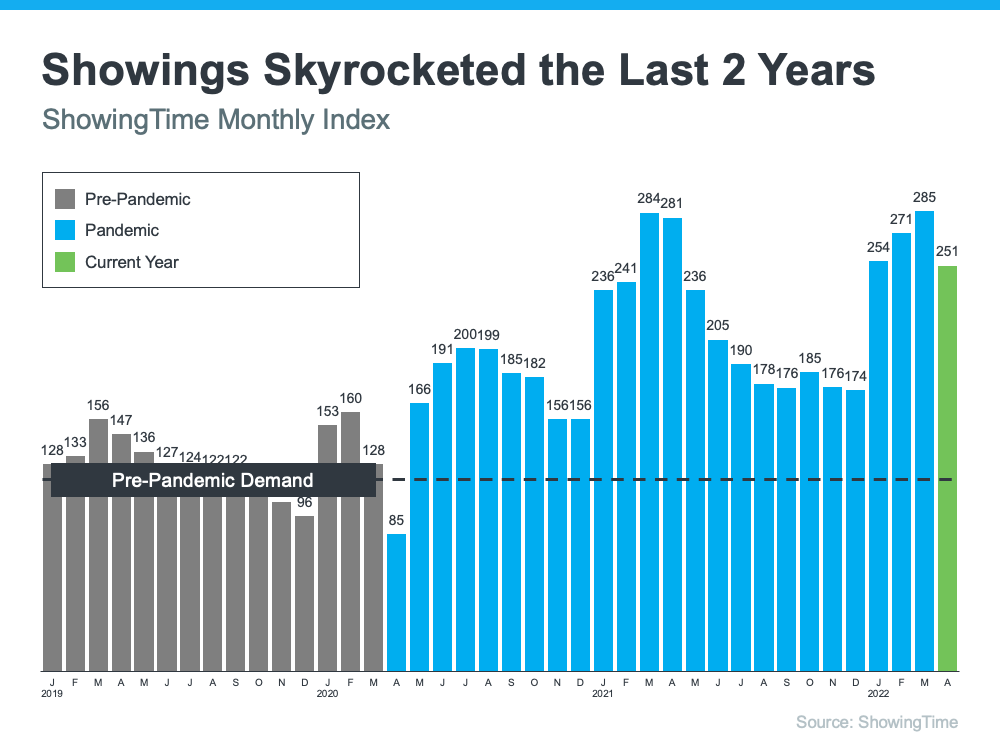
The 2019 numbers give a good baseline of pre-pandemic demand (shown in gray). As the graph indicates, home showings skyrocketed during the pandemic (shown in blue). And while current buyer demand has begun to moderate slightly based on the latest data (shown in green), showings are still above 2019 levels.
And since 2019 was such a strong year for the housing market, this helps show that the market isn’t crashing – it’s just at a turning point that’s moving back toward more pre-pandemic levels.
Existing Home Sales Then and Now
Headlines are also talking about how existing home sales are declining, but perspective matters. Here’s a look at existing home sales going all the way back to 2019 using data from the National Association of Realtors (NAR) (see graph below):
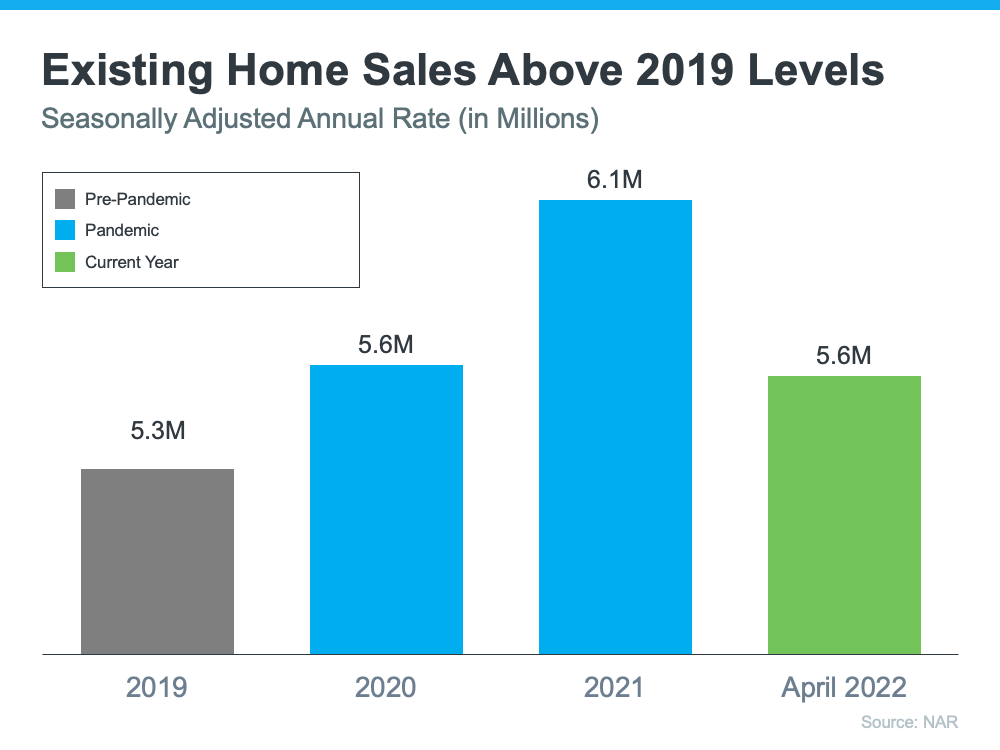
Again, a similar story emerges. The pandemic numbers (shown in blue) beat the more typical year of 2019 home sales (shown in gray). And according to the latest projections for 2022 (shown in green), the market is on pace to close this year with more home sales than in 2019 as well.
It’s important to compare today not to the abnormal pandemic years, but to the most recent normal year to show the current housing market is still strong. First American sums it up like this:
“. . . today’s housing market looks a lot like the 2019 housing market, which was the strongest housing market in a decade at the time.”
Bottom Line
If recent headlines are generating any concerns, look at a more typical year for perspective. The current market is not a crash or correction. It’s just a turning point toward more typical, pre-pandemic levels. Let’s connect at 734-761-3060 or info@condohotline.com if you have any questions about our local market and what it means for you when you buy or sell this year.
Sellers Have an Opportunity with Today’s Home and Condo Prices
As mortgage rates started to rise this year, many homeowners began to wonder if the value of their homes or condos would fall. Here’s the good news. Historically, when mortgage rates rise by a percentage point or more, home values continue to appreciate. The latest data on home and condo prices seems to confirm that trend.
According to data from CoreLogic, home price appreciation has been re-accelerating since November. The graph below shows this increase in home price appreciation in green:
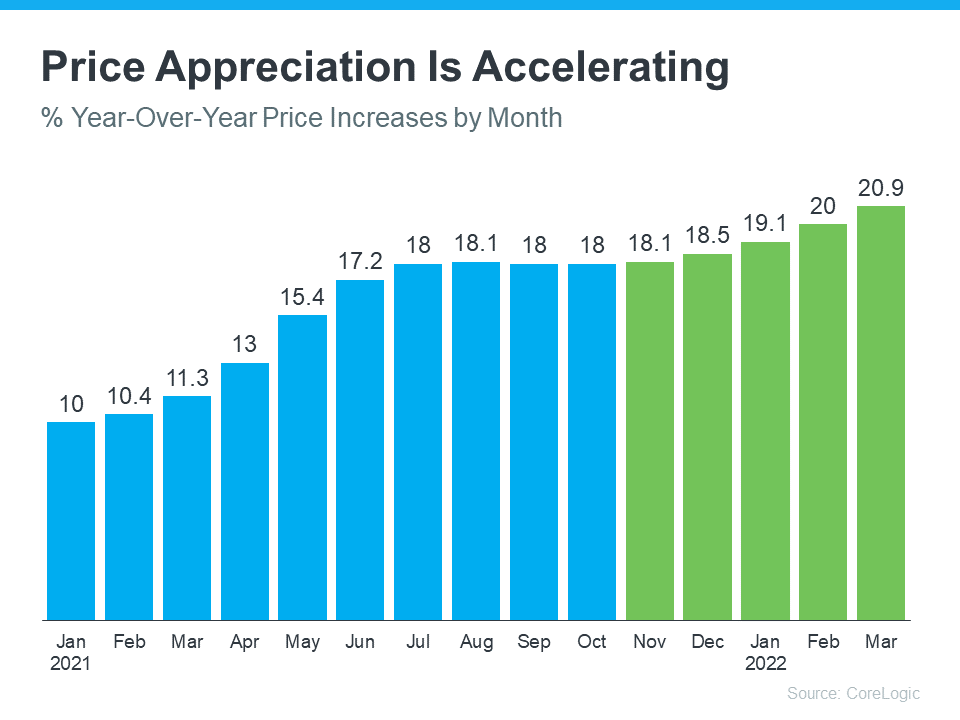 This is largely due to an ongoing imbalance in supply and demand. Specifically, housing supply is still low, and demand is high. As mortgage rates started to rise this year, many homebuyers rushed to make their purchases before those rates could climb higher. The increased competition drove prices up even more. Selma Hepp, Deputy Chief Economist at CoreLogic, explains:
“Home price growth continued to gain speed in early spring, as eager buyers tried to get in front of the mortgage rate surge.”
And experts say prices are forecast to continue appreciating, just at a more moderate pace moving forward. A recent article from Fortune says:
“. . . the swift move up in mortgage rates . . . doesn’t mean home prices are about to crash. In fact, every major real estate firm with a publicly released forecast model . . . still predicts home prices will climb further this year.”
What This Means for You
If you’re thinking about selling your condo or house, you should know you have a great opportunity to list your home and capitalize on today’s home price appreciation. As prices rise, so does the value of your condo or home, which gives your equity a big boost.
When you sell, you can use that equity toward the purchase of your next property. And at today’s record-level of appreciation, that equity may be enough to cover some (if not all) of your down payment.
Bottom Line
History shows rising mortgage rates have not had a negative impact on condo and home prices. Now is still a great time to sell thanks to ongoing price appreciation. When you’re ready to find out how much equity you have in your current property and what’s happening with home and condo prices in your local area, let’s connect at 734-761-3060 or info@condohotline.com.
How To Approach Rising Mortgage Rates as a Buyer

In the last few weeks, the average 30-year fixed mortgage rate from Freddie Mac inched up to 5%. While that news may have you questioning the timing of your condo or home search, the truth is, timing has never been more important. Even though you may be tempted to put your plans on hold in hopes that rates will fall, waiting will only cost you more. Mortgage rates are forecast to continue rising in the year ahead.
If you’re thinking of buying a condo or home, here are a few things to keep in mind so you can succeed even as mortgage rates rise.
How Rising Mortgage Rates Impact You
Mortgage rates play a significant role in your condo or home search. As rates go up, they impact how much you’ll pay in your monthly mortgage payment, which directly affects how much you can comfortably afford. Here’s an example of how even a quarter-point increase can have a big impact on your monthly payment (see chart below):
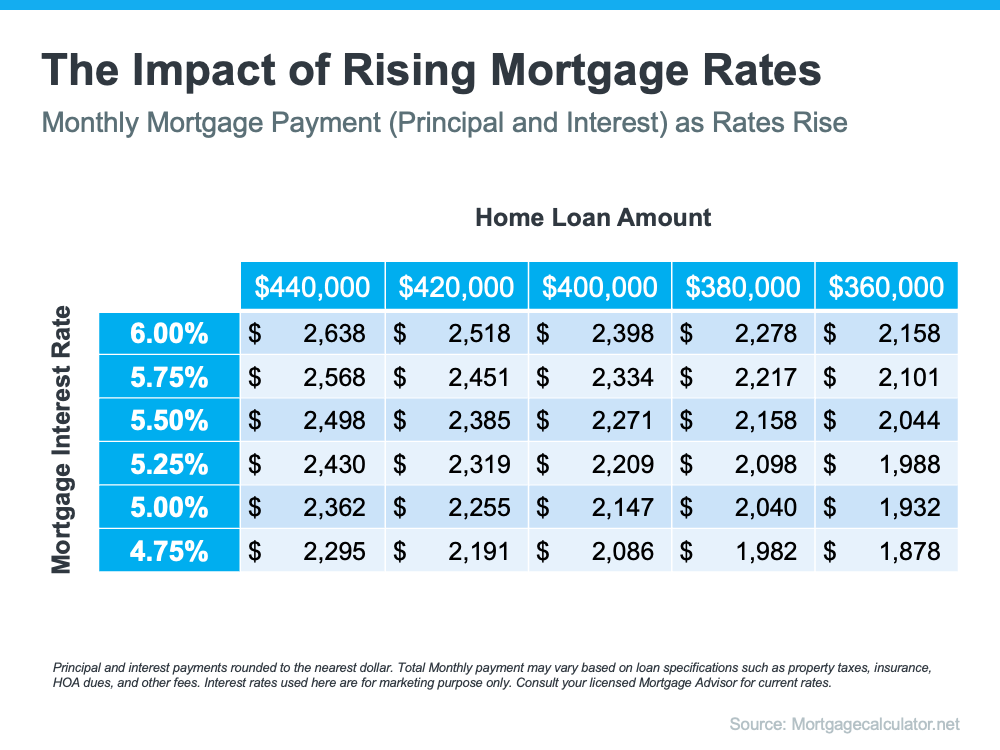
With mortgage rates on the rise, you’ve likely seen your purchasing power impacted already. Instead of delaying your plans, today’s rates should motivate you to purchase now before rates increase more. Use that motivation to energize your search and plan your next steps accordingly.
The best way to prepare is to work with a trusted real estate advisor now. An agent can connect you with a trusted lender, help you adjust your search based on your budget, and make sure you’re ready to act quickly when it’s time to make an offer.
Bottom Line
Serious buyers should approach rising rates as a motivating factor to buy sooner, not a reason to wait. Waiting will cost you more in the long run. Let’s connect today so you can better understand your budget and be prepared to buy your condo or home even before rates climb higher. Contact us at 734-761-3060 or info@condohotline today!
More Young People Are Buying Condos and Homes

There’s a common misconception that younger generations aren’t interested in homeownership. Many people point to the fact that millennials put off purchasing their first home as a reason for this belief.
Odeta Kushi, Deputy Chief Economist for First American, explains why millennials have put off certain milestones linked to homeownership. Those delays led to their homeownership rates trailing slightly behind older generations:
“Historically, millennials have delayed the critical lifestyle choices often linked to buying a first home, including getting married and having children, in order to further their education. This is clear in cross-generational comparisons of homeownership rates which show millennials lagging their generational predecessors.”
So, it’s partially true that some millennials have waited on homeownership to focus on other things in their lives – and that’s impacting certain housing market trends.
Data from the National Association of Realtors (NAR) indicates the average age of a first-time homebuyer is higher today than it’s been over the past 40 years. As the graph below shows, homebuyers today are purchasing their first home an average of 4 years later than people in the 1980s and early 1990s: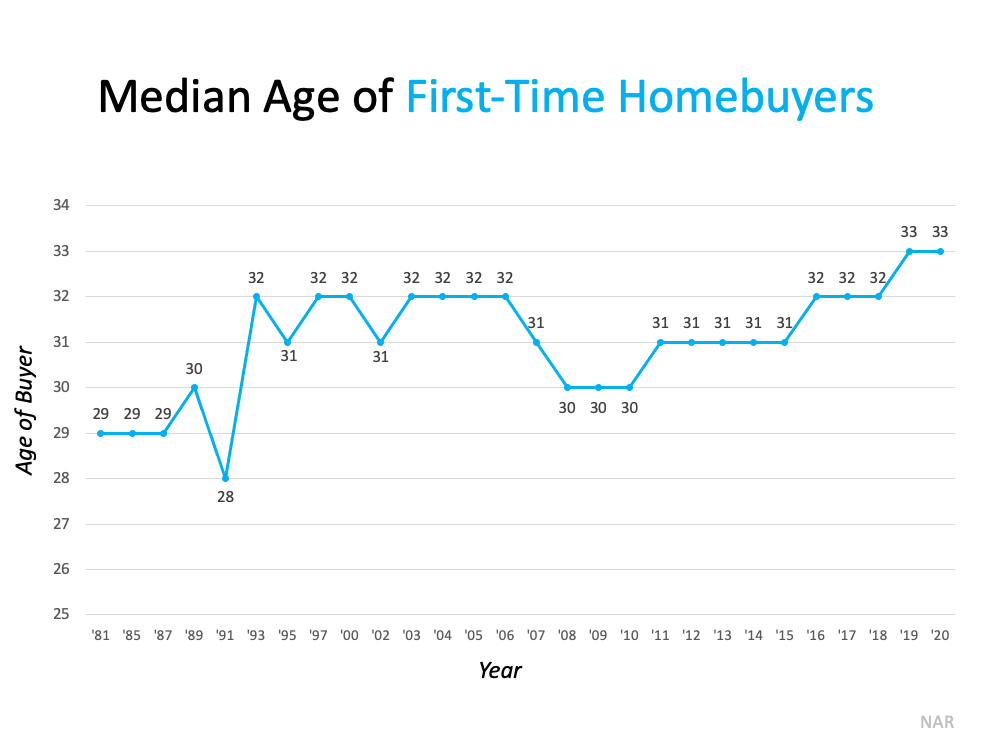
But just because millennials are hitting certain milestones later in life doesn’t mean they’re not interested in becoming homeowners. The recent U.S. Census reveals a significant increase in homeownership rates for millennials and other young homebuyers.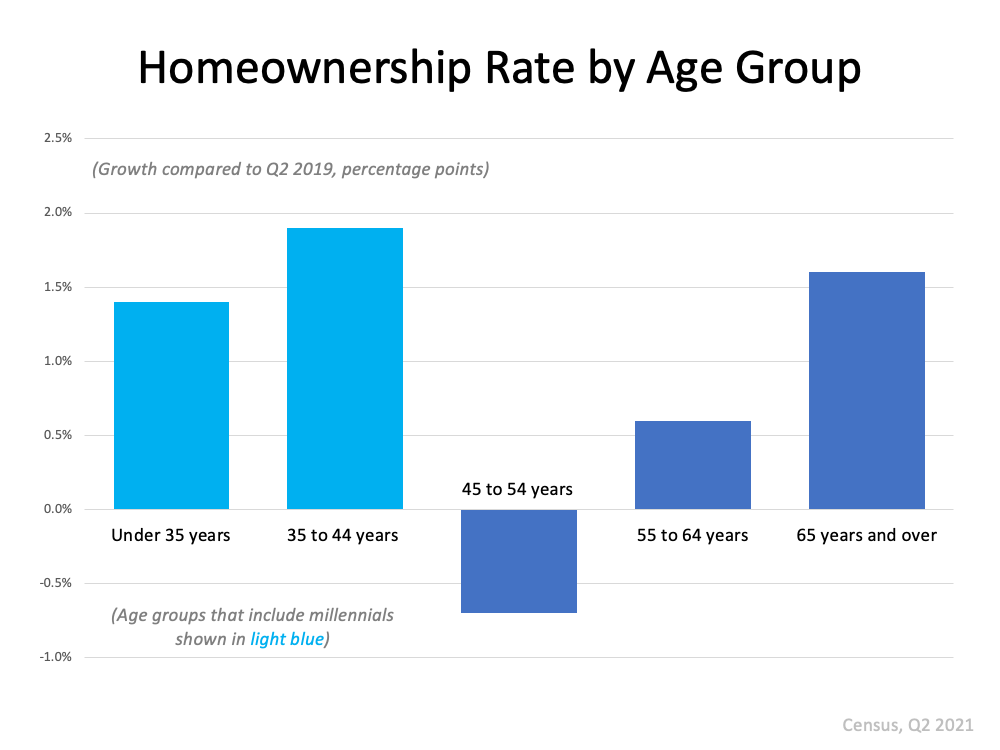
As the graph above shows, millennials are entering the market in full force, and their share of the market is growing. Based on the data, the belief that younger generations don’t want to buy homes is a misconception. In fact, the recent Capital Market Outlook report from Merrill-Lynch further drives home this point, as it specifically mentions the effect millennials are having on demand:
“Demand is very strong because the biggest demographic cohort in history is moving through the household-formation and peak home-buying stages of its life cycle.”
Kushi is following the trend of millennial homeownership and puts it more simply, saying:
“. . . it’s clear that younger households (millennials!) are driving homeownership growth.”
As the largest generation, millennials’ impact on the market is growing as more and more people from that generation reach homebuying age – and Generation Z isn’t far behind, either. That means younger generations will likely continue to drive demand in the housing market for years to come.
Bottom Line
If you’re a member of a younger generation and interested in purchasing a home, you’re not alone. Many of your peers are on their path to homeownership, too. Let’s connect today and discuss what you can do to accomplish your homebuying goals. 734-761-3060 or info@condohotline.com