
The Top 5 Things That Could Make or Break Your Offer This Summer
Summer is one of the busiest times of year for the real estate market—and for good reason! The weather is ideal, school’s out, and buyers are eager to settle into a new place before fall. But with so many people actively searching, it’s important to make sure your offer stands out in a competitive crowd.
Whether you’re a first-time buyer or returning to the market, these five factors could make all the difference between landing your dream home or missing out.

1. Your Pre-Approval Letter
Make it: Before you start touring homes, get pre-approved by a reputable lender. A pre-approval letter shows sellers you’re a serious buyer with financing already lined up—and that you’re ready to move quickly.
Break it: Submitting an offer without pre-approval could cause sellers to move on to the next buyer. In a fast-paced summer market, hesitation can cost you.
2. Your Offer Price
Make it: In a competitive market, coming in with a strong offer—especially if the home is newly listed—can put you ahead. Your agent will help you analyze the local market and determine the right price strategy.
Break it: Going in too low might save you money in theory, but in practice, it could knock you out of the running entirely. Sellers are often looking for clean, fair offers with minimal back-and-forth.

3. Contingencies (or Lack Thereof)
Make it: While some contingencies (like inspections) are important for protecting yourself, keeping your offer clean and simple can be a major advantage. Waiving minor contingencies—or offering flexibility on closing timelines—can appeal to sellers.
Break it: Too many contingencies can complicate the process and make your offer feel risky. In a multiple-offer situation, sellers may lean toward buyers with fewer strings attached.
4. Your Earnest Money Deposit
Make it: A larger earnest money deposit (aka “good faith” deposit) shows that you’re committed to the purchase. It gives the seller confidence that you’re not likely to walk away without cause.
Break it: A low deposit might make your offer seem shaky or non-serious, especially if others are putting more on the table.

5. Your Flexibility and Timeline
Make it: Being flexible with your move-in date or closing timeline can be a big plus for sellers, especially if they’re also buying a home or juggling a tight schedule. The fewer logistical headaches for them, the better your offer looks.
Break it: If your timeline is rigid or includes multiple delays, it might be enough to sway the seller toward a more flexible buyer—even if that buyer is offering a similar price.
Ready to Craft a Winning Offer?
The summer market is hot—but with the right strategy (and the right agent), you can compete with confidence. If you’re thinking about buying a condo or home this season, we’re here to help every step of the way—from touring homes to submitting the perfect offer. Contact us at The Bouma Group, Realtors today at 734-761-3060 or info@condohotline.com.
Reach out today to start your summer home search off strong!
Are We Heading into a Balanced Real Estate Market?
Are We Heading into a Balanced Market?

If you’ve been keeping an eye on the housing market over the past couple of years, you know sellers have had the upper hand. But is that going to shift now that inventory is growing? Here’s a breakdown of what you need to know.
What Is a Balanced Market?
A balanced market is generally defined as a market with about a five-to-seven-month supply of homes available for sale. In this type of market, neither buyers nor sellers have a clear advantage. Prices tend to stabilize, and there’s a healthier number of condos and homes to choose from. After many years, when sellers had all the leverage, a more balanced market would be a welcome sight for people looking to move. The question is – is that really where the market is headed?
After starting the year with a three-month supply of homes nationally, inventory has increased to four months. That may not sound like a lot, but it means the market is getting closer to balanced – even though it’s not quite there yet. It’s important to note this increase in inventory is not leading to an oversupply that would cause a crash. Even with the growth lately, there’s still nowhere near enough supply for that to happen.
The graph below uses data from the National Association of Realtors (NAR) to give you an idea of where inventory has been in the past, and where it’s at today:
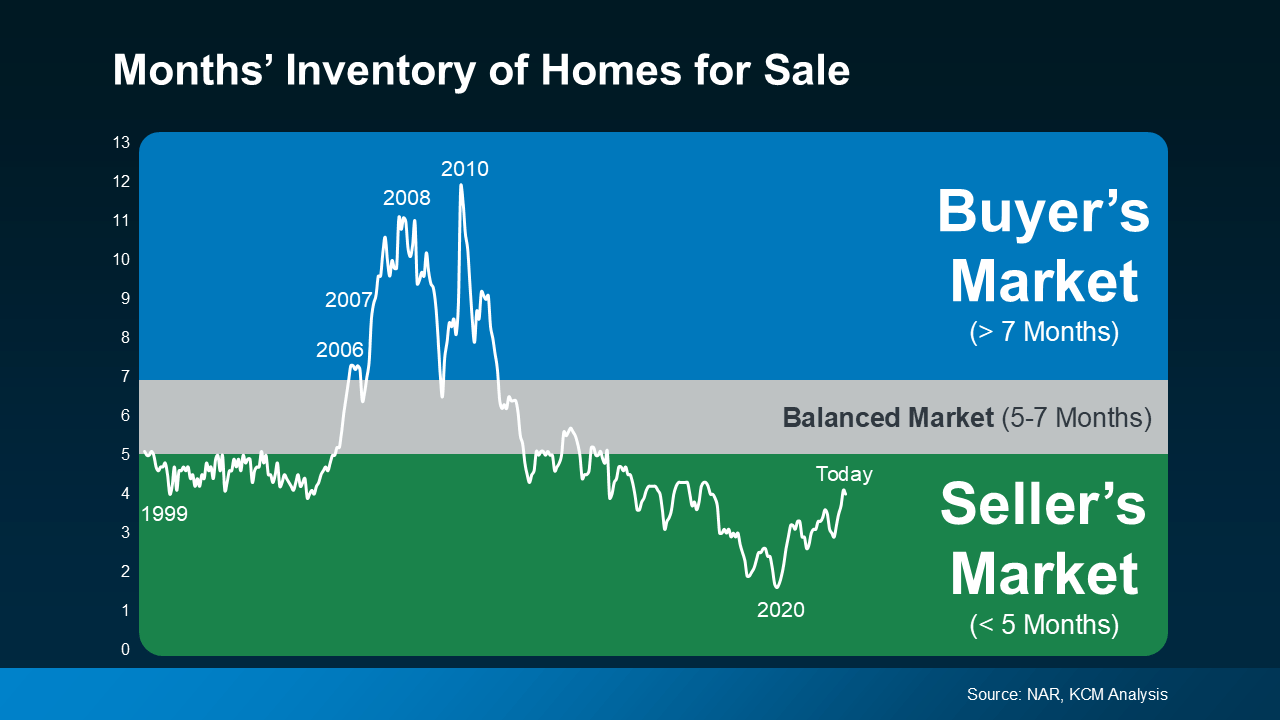
For now, this is still seller’s market territory – it’s just not as frenzied of a seller’s market as it’s been over the past few years. As Mark Fleming, Chief Economist at First American, says:
“The faster housing supply increases, the more affordability improves and the strength of a seller’s market wanes.”
What This Means for You and Your Move
Here’s how this shift impacts you and the market conditions you’ll face when you move. Lawrence Yun, Chief Economist at NAR, explains:
“Homes are sitting on the market a bit longer, and sellers are receiving fewer offers. More buyers are insisting on home inspections and appraisals, and inventory is definitively rising on a national basis.”
The graphs below use the latest data from NAR and Realtor.com to help show examples of these changes:
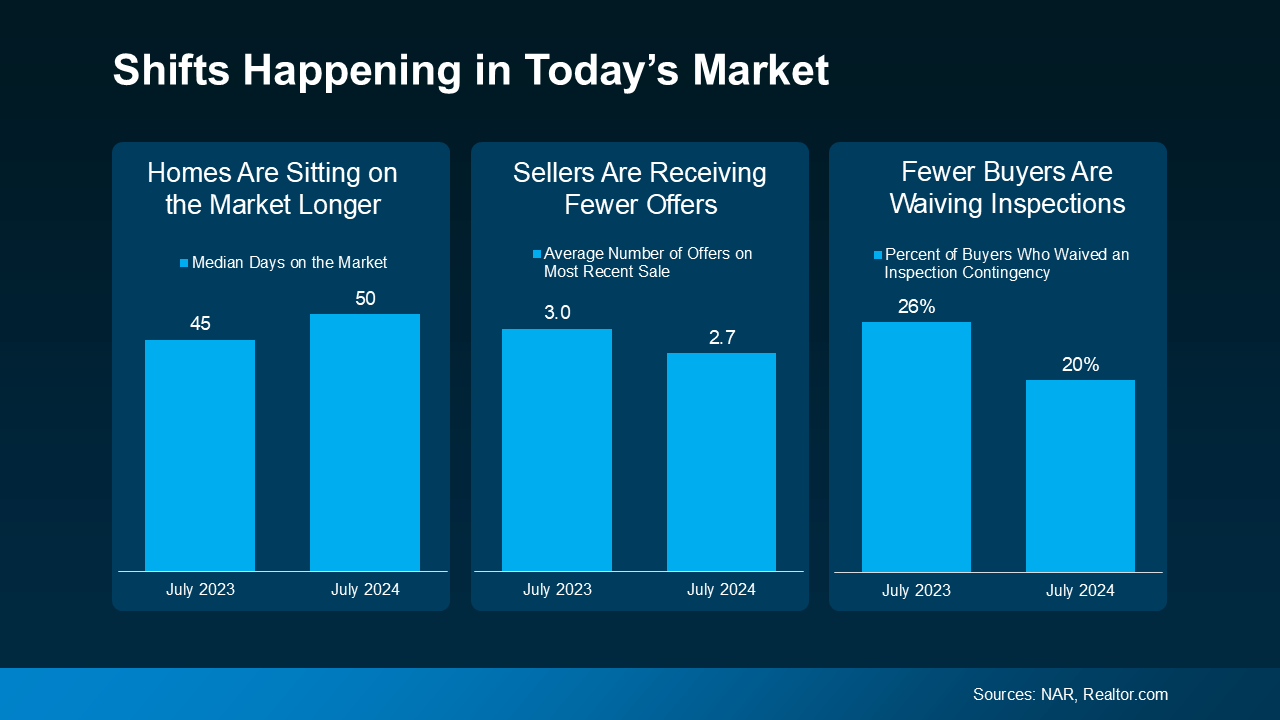
Homes Are Sitting on the Market Longer: Since more condos and homes are on the market, they’re not selling quite as fast. For buyers, this means you may have more time to find the right place. For sellers, it’s important to price your condo or house right if you want it to sell. If you don’t, buyers might choose better-priced options.
Sellers Are Receiving Fewer Offers: As a seller, you might need to be more flexible and willing to compromise on price or terms to close the deal. For buyers, you could start to face less intense competition since you have more options to choose from.
Fewer Buyers Are Waiving Inspections: As a buyer, you have more negotiation power now. And that’s why fewer buyers are waiving inspections. For sellers, this means you need to be ready to negotiate and address repair requests to keep the sale moving forward.
How a Real Estate Agent Can Help
But this is just the national picture. The type of market you’re in is going to vary a lot based on how much inventory is available. So, lean on a local real estate agent for insight into how your area stacks up.
Whether you’re buying or selling, understanding how the market is changing gives you a big advantage. We have the latest data and local insights, so you know exactly what’s happening and how to navigate it.
Bottom Line
The real estate market is always changing, and it’s important to stay informed. Whether you’re buying or selling, understanding this shift toward a balanced market can help. If you have any questions or need expert advice, don’t hesitate to reach out to us at The Bouma Group at 734-761-3060 or info@condohotline.com.
Why a Condo May Be a Great Option for Your First Home

An Ann Arbor Condo is a Great First Home
Having a hard time finding a first home that’s right for you and your wallet, especially in Ann Arbor? Well, here’s a tip – think about condominiums, or condos for short.
They’re usually smaller than single-family homes, but that’s exactly why they can be easier on your budget. According to the latest data from the National Association of Realtors (NAR), condos are typically less expensive than single-family homes (see graph below):
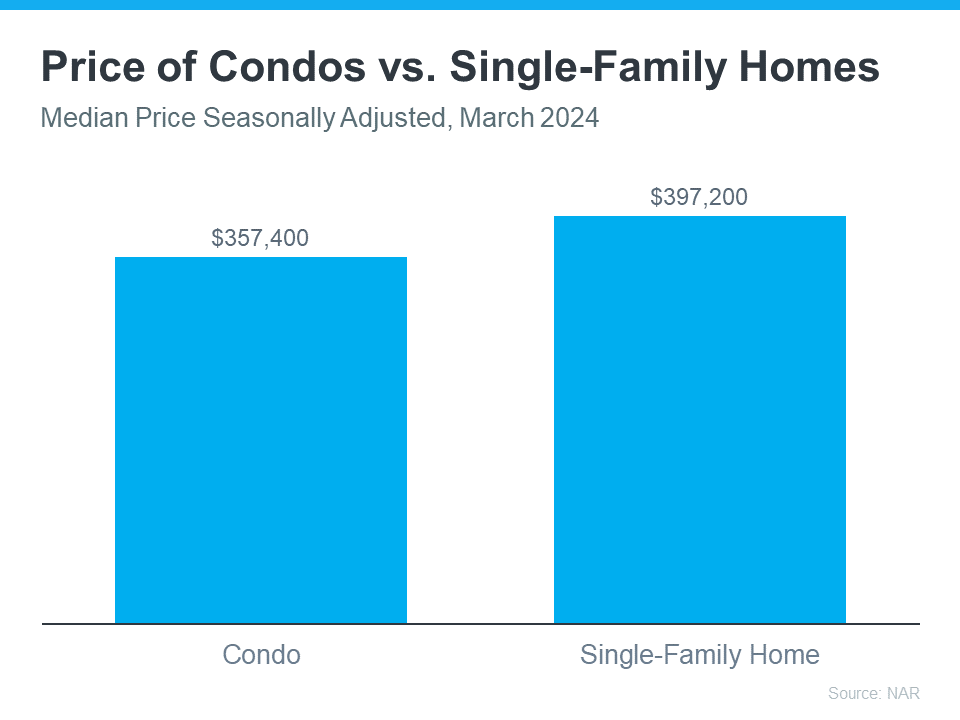
So, if you’re comfortable with a smaller space and want to buy your first home this year, adding condos to your search might be easier on your wallet.
Besides giving you more options for your home search and maybe fitting your budget better, living in a condo has many other perks. According to Rocket Mortgage:
“From community living to walkable urban areas, condos are great options for first-time home buyers and people looking to enjoy homeownership without extensive upkeep.”
Benefits of Condo Living
Let’s dive into a few of the draws of condos for first-time buyers from Bankrate:
- They require less maintenance. Condos are great if you want to own your place but don’t want to mow the lawn, shovel snow, or fix the roof. Your real estate agent can help explain any associated fees and details for the condos you’re interested in.
- They allow you to start building equity. When you buy a condo, you build equity and your net worth as you make your mortgage payments and as your condo’s value goes up over time.
- They often come with added amenities. Your condo might have access to amenities like a pool, dog park, or parking. And the best part? You don’t have to take care of any of them.
- They provide you with a sense of community. Buying a condo means you’ll be living close to other people, which is nice if you enjoy having neighbors around and making friends. Many condo communities hold fun events like barbecues and holiday parties for everyone to enjoy.
Remember, your first home doesn’t have to be the one you stay in forever. The important thing is to get your foot in the door as a homeowner so you can start to gain home equity. Later on, that equity can help you buy another place if you need something different.
Ultimately, owning and living in a condo is a lifestyle choice. And if it’s one that appeals to you, they could provide the added options you need in today’s market.
Bottom Line
It might be a good idea to think about condos in your home search. If you’re ready to see what’s out there, let’s get in touch today. Contact us at The Bouma Group, Realtors at 734-761-3060 or info@condohotline.com.
Are Higher Mortgage Rates Here To Stay?
Higher Mortgage Rates Are Affecting Purchase Power

Mortgage rates have been back on the rise recently and that’s getting a lot of attention from the press. If you’ve been following the headlines, you may have even seen rates recently reached their highest level in over two decades (see graph below):

That can feel like a little bit of a gut punch if you’re thinking about making a move. If you’re wondering whether or not you should delay your plans, here’s what you really need to know.
How Higher Mortgage Rates Impact You
There’s no denying rates are higher right now than they were in recent years. And, when rates are up, that affects overall home affordability. It works like this. The higher the rate, the more expensive it is to borrow money when you buy a home. That’s because, as rates trend up, your monthly mortgage payment for your future home loan also increases.
Urban Institute explains how this is impacting buyers and sellers right now:
“When mortgage rates go up, monthly housing payments on new purchases also increase. For potential buyers, increased monthly payments can reduce the share of available affordable homes . . . Additionally, higher interest rates mean fewer homes on the market, as existing homeowners have an incentive to hold on to their home to keep their low interest rate.”
Basically, some people are deciding to put their plans on hold because of where mortgage rates are right now. But what you want to know is: is that a good strategy?
Where Will Mortgage Rates Go From Here?
If you’re eager for rates to drop, you’re not alone. A lot of people are waiting for that to happen. But here’s the thing. No one knows when it will. Even the experts can’t say with certainty what’s going to happen next.
Forecasts project rates will fall in the months ahead, but what the latest data says is that rates have been climbing lately. This disconnect shows just how tricky mortgage rates are to project.
The best advice for your move is this: don’t try to control what you can’t control. This includes trying to time the market or guess what the future holds for mortgage rates. As CBS News states:
“If you’re in the market for a new home, experts typically recommend focusing your search on the right home purchase — not the interest rate environment.”
Instead, work on building a team of skilled professionals, including a trusted lender and real estate agent, who can explain what’s happening in the market and what it means for you. If you need to move because you’re changing jobs, want to be closer to family, or are in the middle of another big life change, the right team can help you achieve your goal, even now.
Bottom Line
The best advice for your move is: don’t try to control what you can’t control – especially mortgage rates. Even the experts can’t say for certain where they’ll go from here. Instead, focus on building a team of trusted professionals who can keep you informed. When you’re ready to get the process started, let’s connect today at 734-761-3060 or info@condohotline.com.
How Inflation Affects Mortgage Rates Explained
Exactly How Does Inflation Affect Mortgage Rates?

When you read about the housing market in the news, you might see something about a recent decision made by the Federal Reserve (the Fed). But how does this decision affect you and your plans to buy a home? Here’s what you need to know.
The Fed is trying hard to reduce inflation. And even though there have been 12 straight months where inflation has cooled (see graph below), the most recent data shows it’s still higher than the Fed’s target of 2%:

While you may have been hoping the Fed would stop their hikes since they’re making progress on their goal of bringing down inflation, they don’t want to stop too soon, and risk it climbing back up as a result. Because of this, the Fed decided to increase the Federal Funds Rate again last week. As Jerome Powell, Chairman of the Fed, says:
“We remain committed to bringing inflation back to our 2 percent goal and to keeping longer-term inflation expectations well anchored.”
Greg McBride, Senior VP, and Chief Financial Analyst at Bankrate, explains how high inflation and a strong economy play into the Fed’s recent decision:
“Inflation remains stubbornly high. The economy has been remarkably resilient, the labor market is still robust, but that may be contributing to the stubbornly high inflation. So, Fed has to pump the brakes a bit more.”
Even though a Federal Fund Rate hike by the Fed doesn’t directly dictate what happens with mortgage rates, it does have an impact. As a recent article from Fortune says:
“The federal funds rate is an interest rate that banks charge other banks when they lend one another money . . . When inflation is running high, the Fed will increase rates to increase the cost of borrowing and slow down the economy. When it’s too low, they’ll lower rates to stimulate the economy and get things moving again.”
How All of This Affects You
In the simplest sense, when inflation is high, mortgage rates are also high. But, if the Fed succeeds in bringing it down, it could ultimately lead to lower mortgage rates, making it more affordable for you to buy a home.
This graph helps illustrate that point by showing that when inflation decreases, mortgage rates typically go down, too (see graph below):

As the data above shows, inflation (shown in the blue trend line) is slowly coming down and, based on historical trends, mortgage rates (shown in the green trend line) are likely to follow. McBride says this about the future of mortgage rates:
“With the backdrop of easing inflation pressures, we should see more consistent declines in mortgage rates as the year progresses, particularly if the economy and labor market slow noticeably.”
Bottom Line
What happens to mortgage rates depends on inflation. If inflation cools down, mortgage rates should go down too. Let’s talk so you can get expert advice on housing market changes and what they mean for you. Contact us today at 734-761-3060 or info@condohotline.com to learn more.
The Benefits of Downsizing for Homeowners
The Benefits of Downsizing for Homeowners
There may come a time in your life when a variety of circumstances make it necessary to downsize your living space. Here are a few of the benefits of downsizing from your current condo or home.

Some Highlights
- Downsizing is a popular choice for homeowners when they retire or when their needs change, but with inflation still high, it’s also a way to reduce costs.
- Downsizing could help cut down on your expenses and your equity can fuel your move.
- A condo is a great option if the upkeep of your current home, yard, etc. is just too much.
If you’re thinking about moving to a condo or smaller home, let’s connect today at 734-761-3060 or info@condohotline.com to go over your housing goals and look at your options on our local market.
What Home Buyers Need to Know About Credit Scores
Credit Scores are a Big Piece of the Lending Puzzle
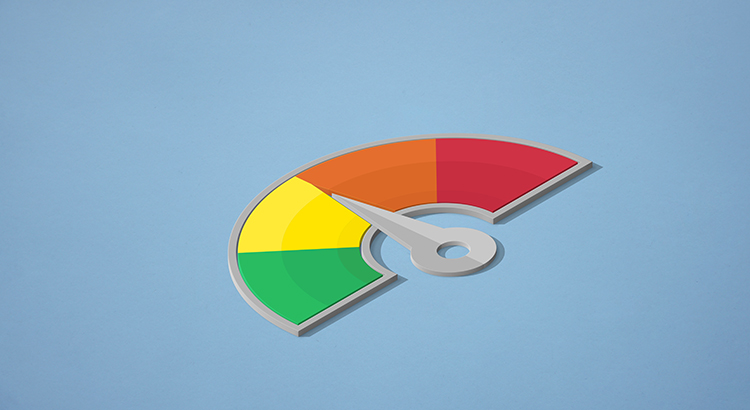
If you’re thinking about buying a condo or home, you should know your credit score’s a critical piece of the puzzle when it comes to qualifying for a loan. Lenders review your credit to assess your ability to make payments on time, pay back debts, and more. It’s also a factor that helps determine your mortgage rate. An article from Bankrate explains:
“Your credit score is one of the most important factors lenders consider when you apply for a mortgage. Not just to qualify for the loan itself, but for the conditions: Typically, the higher your score, the lower the interest rates and better terms you’ll qualify for.”
This means your credit score may feel even more important to your homebuying plans right now since mortgage rates are a key factor in affordability, especially today. According to the Federal Reserve Bank of New York, the median credit score in the U.S. for those taking out a mortgage is 765. But, that doesn’t mean your credit score has to be perfect. An article from Business Insider explains generally how your FICO score range can make an impact:
“. . . you don’t need a perfect credit score to buy a house. . . . Aiming to get your credit score in the ‘Good’ range (670 to 739) would be a great start towards qualifying for a mortgage. But if you’re wanting to qualify for the lowest rates, try to get your score within the ‘Very Good’ range (740 to 799).”
Working with a trusted lender’s the best way to get more information on how your credit score could factor into your home loan and the mortgage rate you’re able to get. As FICO says:
“While many lenders use credit scores like FICO Scores to help them make lending decisions, each lender has its own strategy, including the level of risk it finds acceptable. There is no single “cutoff score” used by all lenders and there are many additional factors that lenders may use to determine your actual interest rates.”
If you’re looking for ways to improve your score, Experian highlights some things you may want to focus on:
- Your Payment History: Late payments can have a negative impact by dropping your score. Focus on making payments on time and paying any existing late charges quickly.
- Your Debt Amount (relative to your credit limits): When it comes to your available credit amount, the less you’re using, the better. Focus on keeping this number as low as possible.
- Credit Applications: If you’re looking to buy, don’t apply for other credit. When you apply for new credit, it could result in a hard inquiry on your credit that drops your score.
When you’re ready to start the homebuying process, a lender will be able to assess which range your score falls in and tell you more about the specifics for each loan type.
Bottom Line
With affordability challenges today, prioritizing ways you can have a positive impact on your credit score could help you get a better mortgage rate. To learn more, let’s connect today at 734-761-3060 or info@condohotline.com.
What You Should Know About Closing Costs
How to Plan Ahead for Closing Costs

Before you buy a home, it’s important to plan ahead. While most buyers consider how much they need to save for a down payment, many are surprised by the extra fees they have to pay. To ensure you aren’t caught off guard when it’s time to close on your home, you need to understand what closing costs are and how much you should budget for.
What Are Closing Costs?
People are sometimes surprised by closing costs because they don’t know what they are. According to Bankrate:
“Closing costs are the fees and expenses you must pay before becoming the legal owner of a house, condo or townhome . . . Closing costs vary depending on the purchase price of the home and how it’s being financed . . .”
In other words, your closing costs are a collection of fees and payments involved with your transaction. According to Freddie Mac, while they can vary by location and situation, they typically include:
- Government recording costs
- Appraisal fees
- Credit report fees
- Lender origination fees
- Title services
- Tax service fees
- Survey fees
- Attorney fees
- Underwriting Fees
How Much Will You Need To Budget for Closing Costs?
Understanding what they include is important, but knowing what you’ll need to budget to cover them is critical, too. According to the Freddie Mac article mentioned above, the costs to close are typically between 2% and 5% of the total purchase price of your condo or home. With that in mind, here’s how you can get an idea of what you’ll need to cover your closing costs.
Let’s say you find a condo or home you want to purchase for the median price of $366,900. Based on the 2-5% Freddie Mac estimate, your closing fees could be between roughly $7,500 and $18,500.
Keep in mind, if you’re in the market for a condo or home above or below this price range, your closing costs will be higher or lower.
What’s the Best Way To Make Sure You’re Prepared at Closing Time?
Freddie Mac provides great advice for homebuyers, saying:
“As you start your homebuying journey, take the time to get a sense of all costs involved – from your down payment to closing costs.”
Work with a team of trusted real estate professionals to understand exactly how much you’ll need to budget for everything. We can help connect you with a trusted, local lender, and together we can answer any questions you might have.
Bottom Line
It’s important to plan for the fees and payments you’ll be responsible for at closing. Let’s connect so I can help you feel confident throughout the process. Contact us today at The Bouma Group, Realtors at 734-761-3060 or info@condohotline.com.
You May Have More Negotiation Power in Today’s Condo Market

Did the frequency and intensity of bidding wars over the past two years make you put your home search on hold? If so, you should know the hyper-competitive market has cooled this year as buyer demand has moderated and housing supply has grown. Those two factors combined mean you may see less competition from other buyers leading to better negotiations.
And with less competition comes more opportunity. Here are two trends that may be the news you need to reenter the market.
1. The Return of Contingencies
Over the last two years, more buyers were willing to skip important steps in the homebuying process, like the appraisal or the inspection, in hopes of gaining an advantage in a bidding war. But now, things are different.
The latest data from the National Association of Realtors (NAR) shows the percentage of buyers waiving their home inspection or appraisal is down. And a recent article from realtor.com points out more sellers are accepting contingencies:
“A year ago, sellers were calling all the shots and buyers were launching legendary bidding wars, waiving contingencies, and paying for homes in cash. But now, the shoe is on the other foot, and 92% of home sellers are accepting some buyer-friendly terms (frequently related to home inspections, financing, or appraisals), . . .”
This doesn’t mean we’re in a buyers’ market now, but it does mean you have a bit more leverage when it comes time to negotiate with a seller. The days of feeling like you may need to waive contingencies or pay drastically over asking price to get your offer considered may be coming to a close.
2. Sellers Are More Willing To Help with Closing Costs
Before the pandemic, it was a common negotiation tactic for sellers to cover some of the buyer’s closing costs to sweeten the deal. This didn’t happen as much during the peak buyer frenzy over the past two years.
Today, data suggests this is making a comeback. A realtor.com survey shows 32% of sellers paid some or all of their buyer’s closing costs. This may be a negotiation tool you’ll see as you purchase a home. Just keep in mind, limits on closing cost credits are set by your lender and can vary by state and loan type. Work closely with your loan advisor to understand how much a seller can contribute to closing costs in your area.
Bottom Line
Despite the extremely competitive housing market of the past several years, today’s data suggests negotiations are starting to come back to the table. Let’s connect today to find out how the market is shifting in our area. Contact us, the Ann Arbor Condo Specialists at The Bouma Group at 734-761-3060 or info@condohotline.com.
Do You Believe Homeownership Is Out of Reach? Maybe It Doesn’t Have To Be.

It turns out, millennials aren’t the renter generation after all. The 2022 Consumer Insights Report from Mynd says there’s a portion of millennial and Gen Z buyers who are pursuing homeownership as a way to build their wealth, but it may not be exactly the way previous generations have done it. The study explains how they’re breaking into the market:
“. . . younger generations of Americans are not buying into that dream in the same way that older generations have. A growing number of Americans are choosing to make their first real estate purchase as an investment property.”
Instead of buying a condo or home and moving into it themselves, some young buyers are purchasing so they can use it as a rental. This tactic may be gaining popularity, at least in part, because of the affordability challenges brought about by today’s higher mortgage rates. The report above mentions how many people in this group are considering this approach. It says:
“Almost half of Millennials and Gen Z (43%) are considering buying an investment property compared to only 9% of Baby Boomers and 27% of Gen X.”
Why Younger Buyers Are Buying a Condo or Home To Use as a Rental
This strategy allows buyers to continue living in their current location, like the bustle of a city apartment or a neighborhood that they know and love, where they couldn’t afford to buy. But instead of giving up on the idea of homeownership, they buy a condo or home in a more affordable area with the intention of renting it out.
In a way, they’re getting the best of both worlds. They live where they want, and they still own a home where they can afford it.
Their goal is to generate passive income and diversify their assets. It works like this: in addition to having a rental stream of income, the equity they build in their condo or house will also help grow their net worth over time.
Bottom Line
If you’re thinking about buying a condo or home as an investment strategy to build your wealth, let’s connect to explore your options and nearby areas that may have homes that fit what you’re looking for. Contact us today at 734-761-3060 or info@condohotline.com for an in-depth conversation about your particular needs!